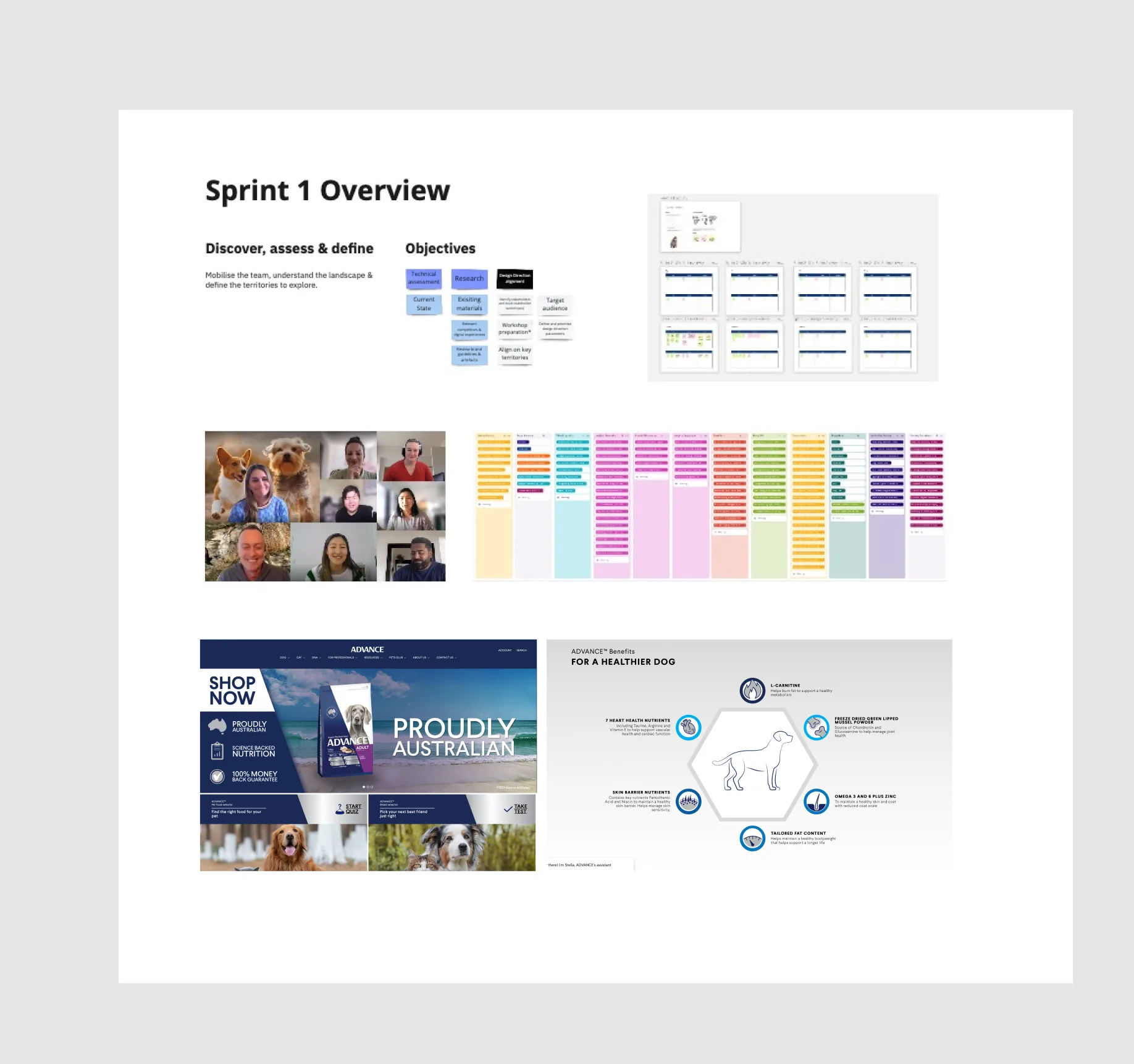
01 — Understand the scope, current state, the ambition.
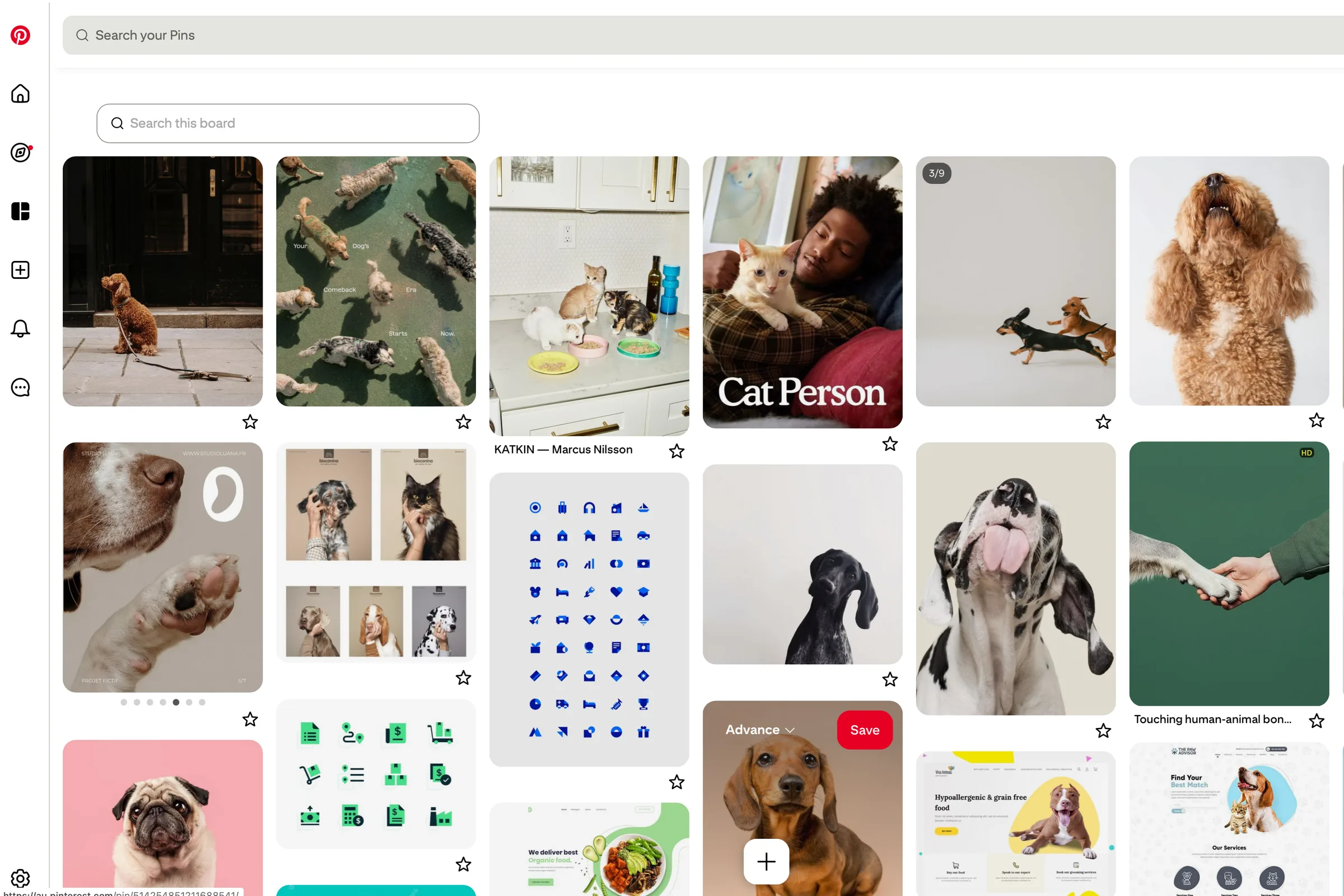
02 — Conduct desktop research / collate visual stimulus
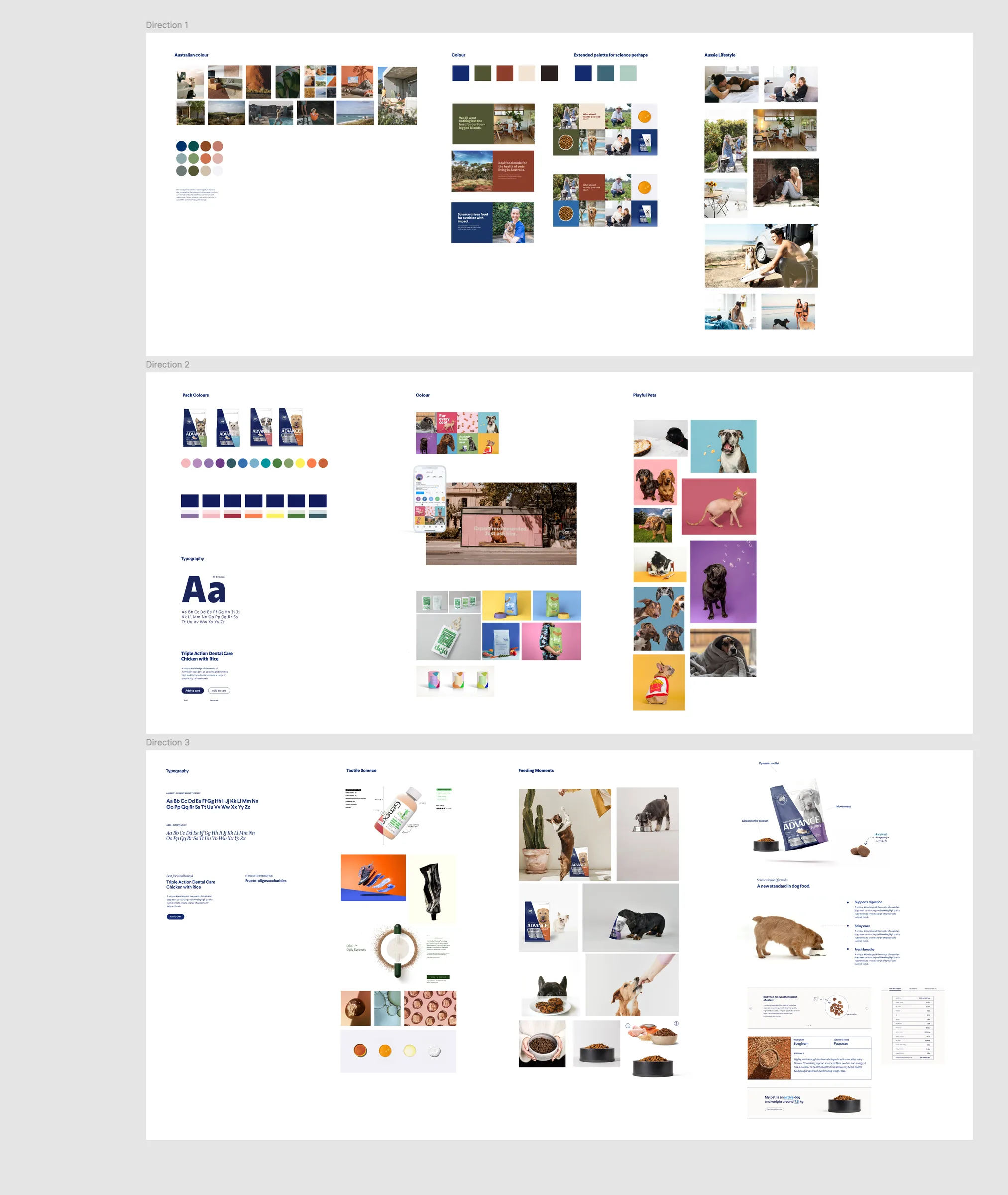
03 — Draft initial concepts / directions

I pay respects to the Traditional Owners of the land where I live and work, the lands of the Wurundjeri/Woi Wurrung and Bunurong People of the Kulin Nation. Always was, and always will be indigenous land.
Carlo
Spadazzi
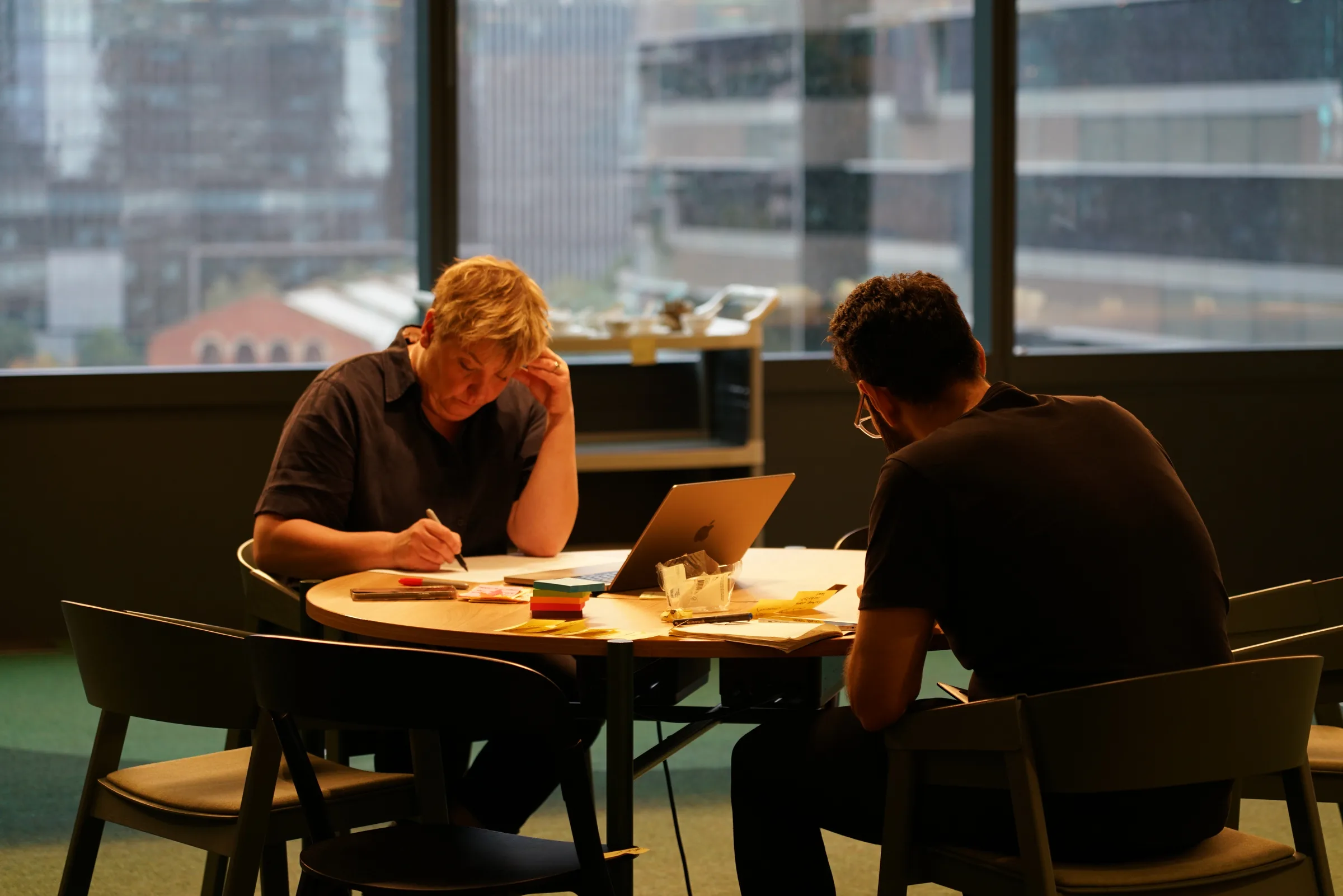

Never one to stay in my lane, I've had over 12 years across a broad spectrum of design. From experiential agencies through to enterprise clients, I've built a truly multi-disciplinary design toolkit.
I'm techno-curious and an avid learner, it's a core part of who I am. It's a characteristic that serves me both personally and professionally, and why I don't like to shy away from a challenge. In my spare time when I'm not on my bike, I enjoy opportunities to give back.
Left: Ideation during design workshop
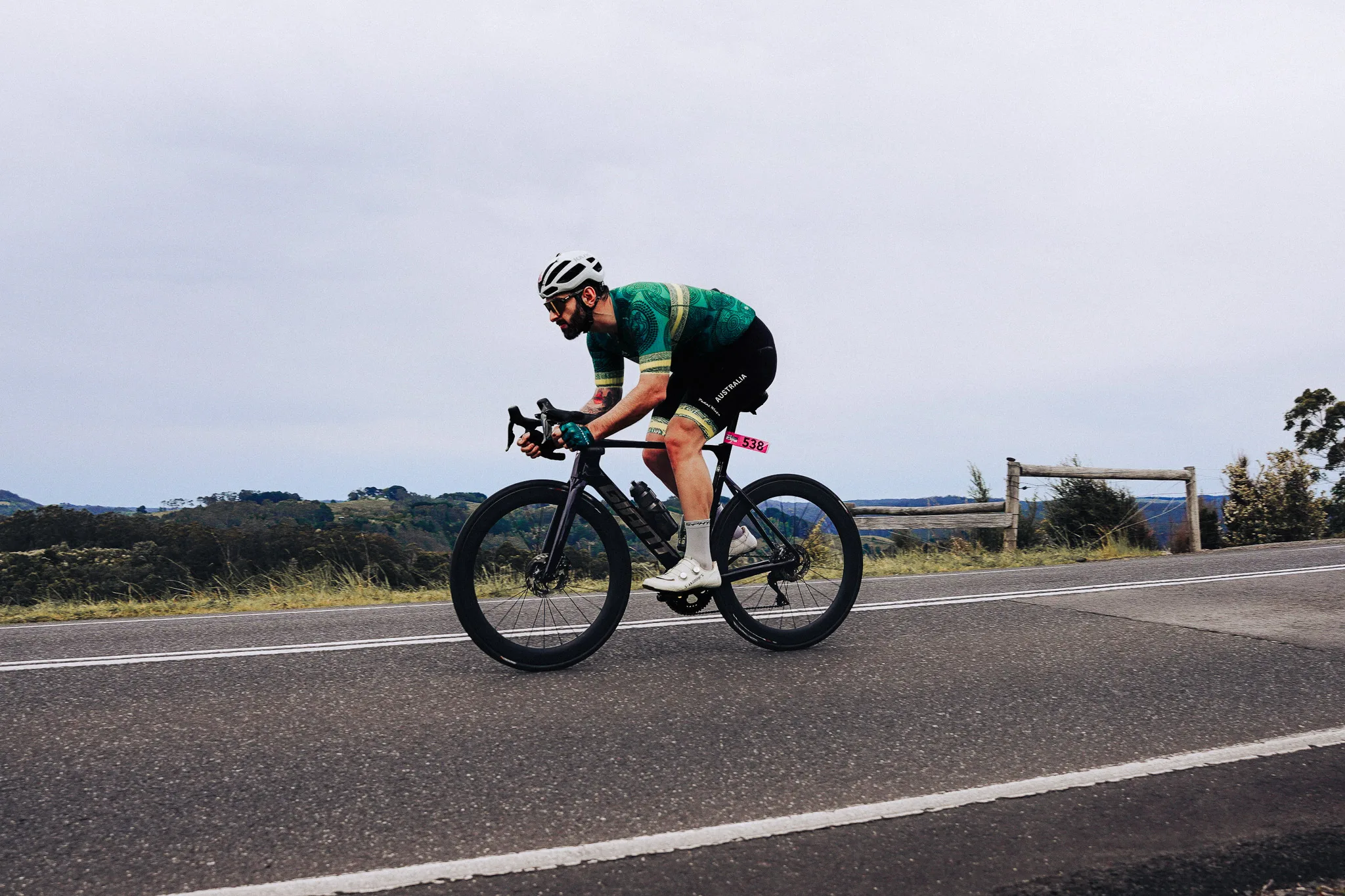
Centre: Grown man riding a pushbike.
Right: One of the two wonderful ladies who keep me on my best behaviour.

Case — 01
Design in its most pure sense. Visual, brand-led, with scalable system foundations.

Case — 02
Rapid concept development. Identifying where value and opportunity intersect.

Case — 03
Design in the age of AI.
Building in response to operational challenges.
Mars Petcare
Case Study — 01
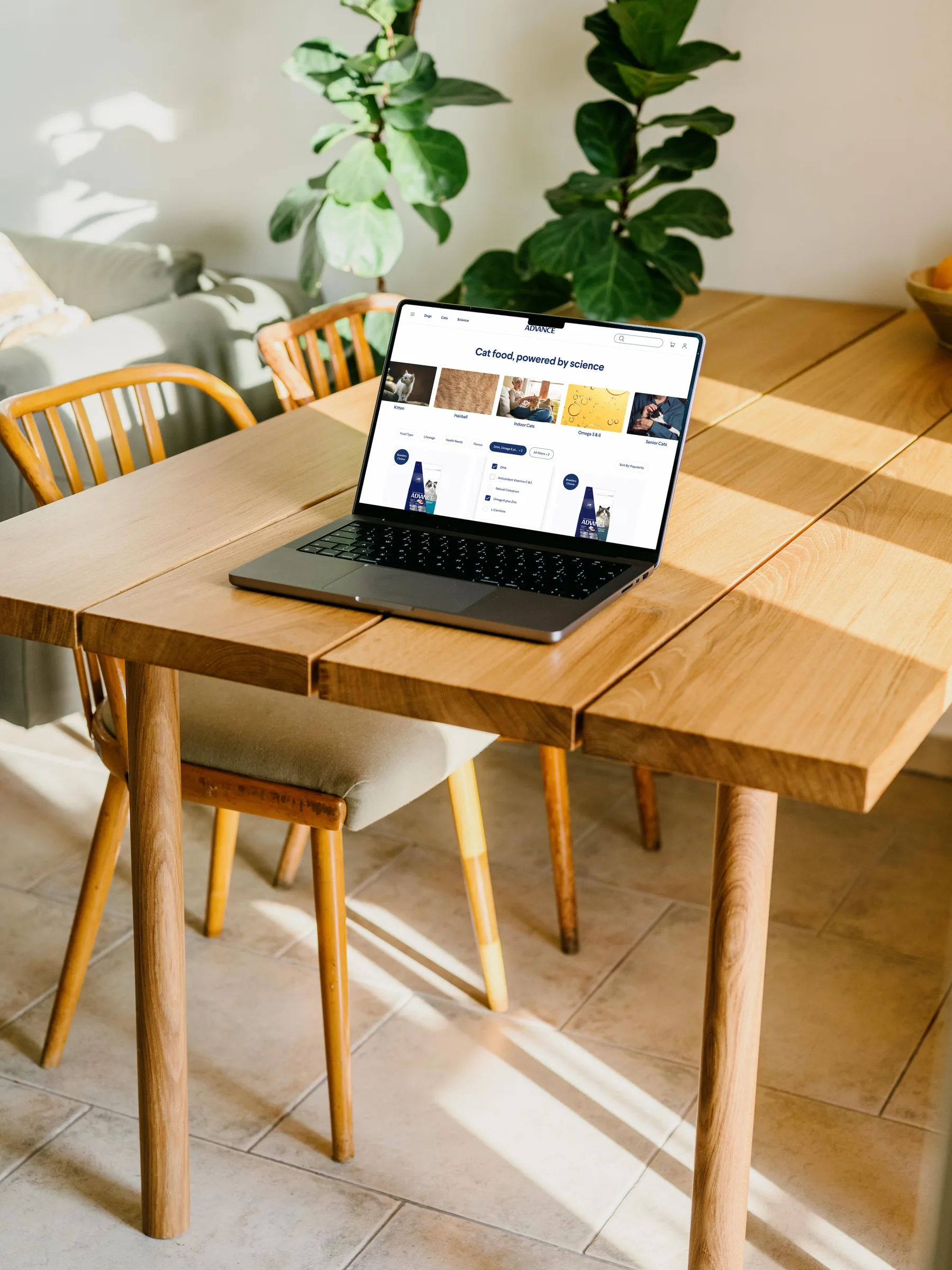
Mars Petcare's digital footprint for Advance Pet was spread across a number of disconnected sites (brand, e-comm, content). With a newly developed CVP of "Australian Science," the Mars team commissioned Cognizant to lead the brand redevelopment with a new e-commerce experience.
Reason included: this example is one of my more recent projects that is a proper design project in its purest sense: visual, brand-led, iterative, and demonstrates how I established scalable design foundations.
01 — Understand the scope, current state, the ambition.
02 — Conduct desktop research / collate visual stimulus
03 — Draft initial concepts / directions
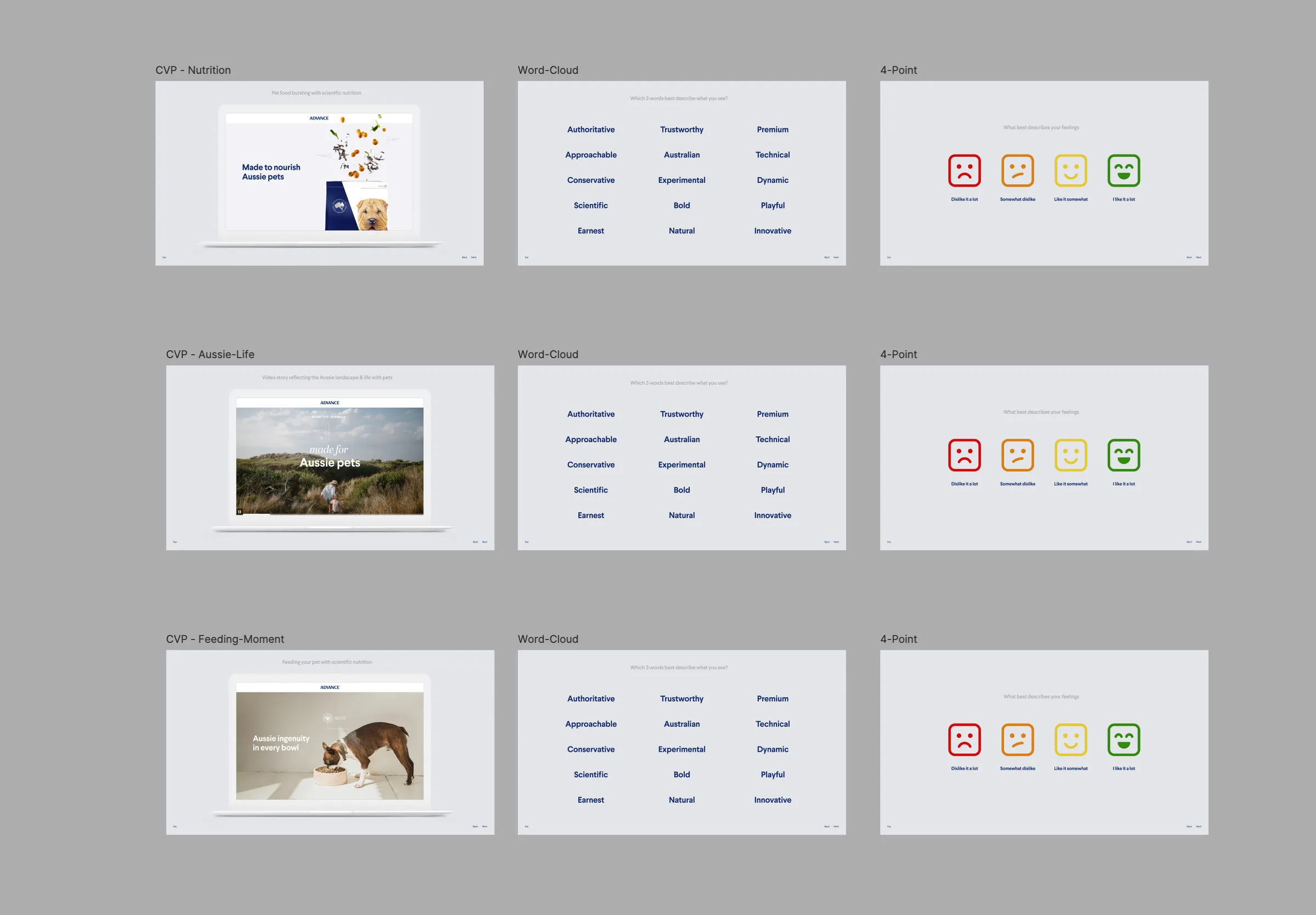
Incorporating feedback to narrow the direction in, using hero-motifs only and association.
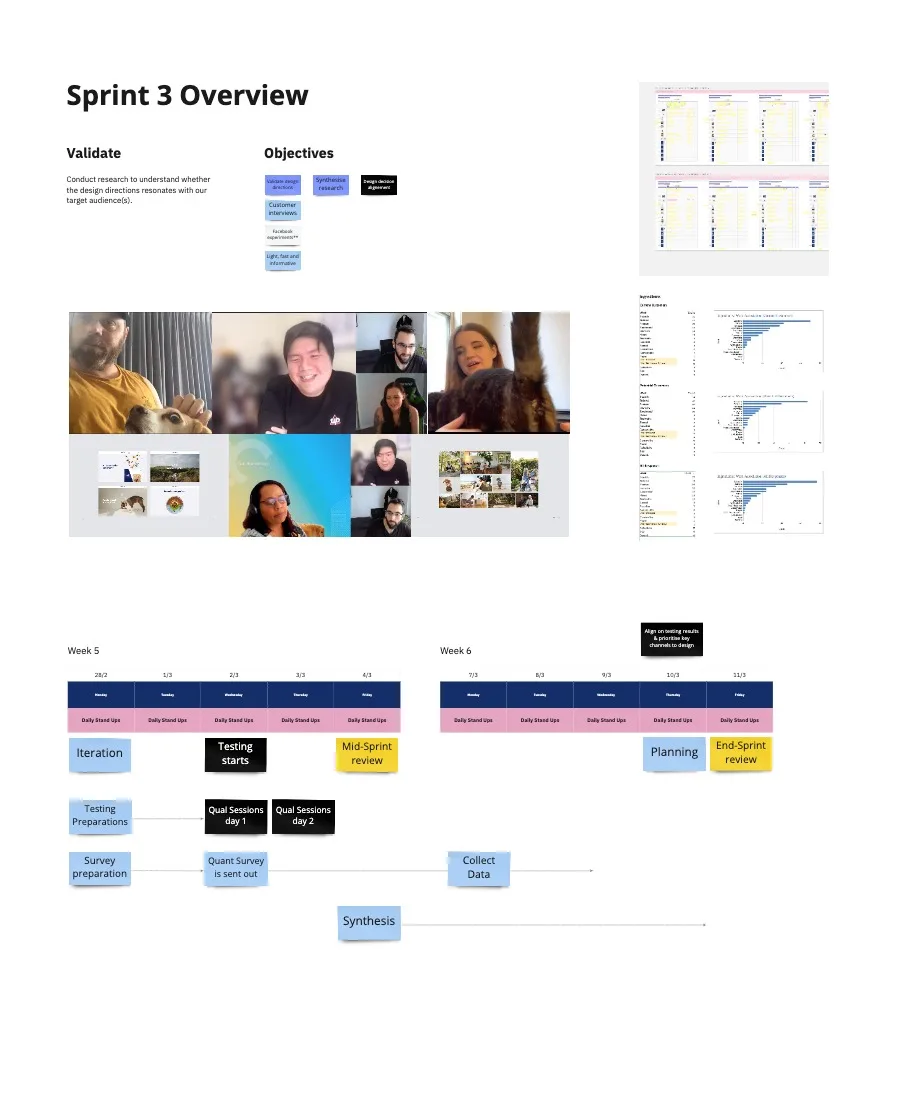
Interviewing customers to understand two key questions A) shopping behaviour, and B) concept sentiment
01 — Refining the design language
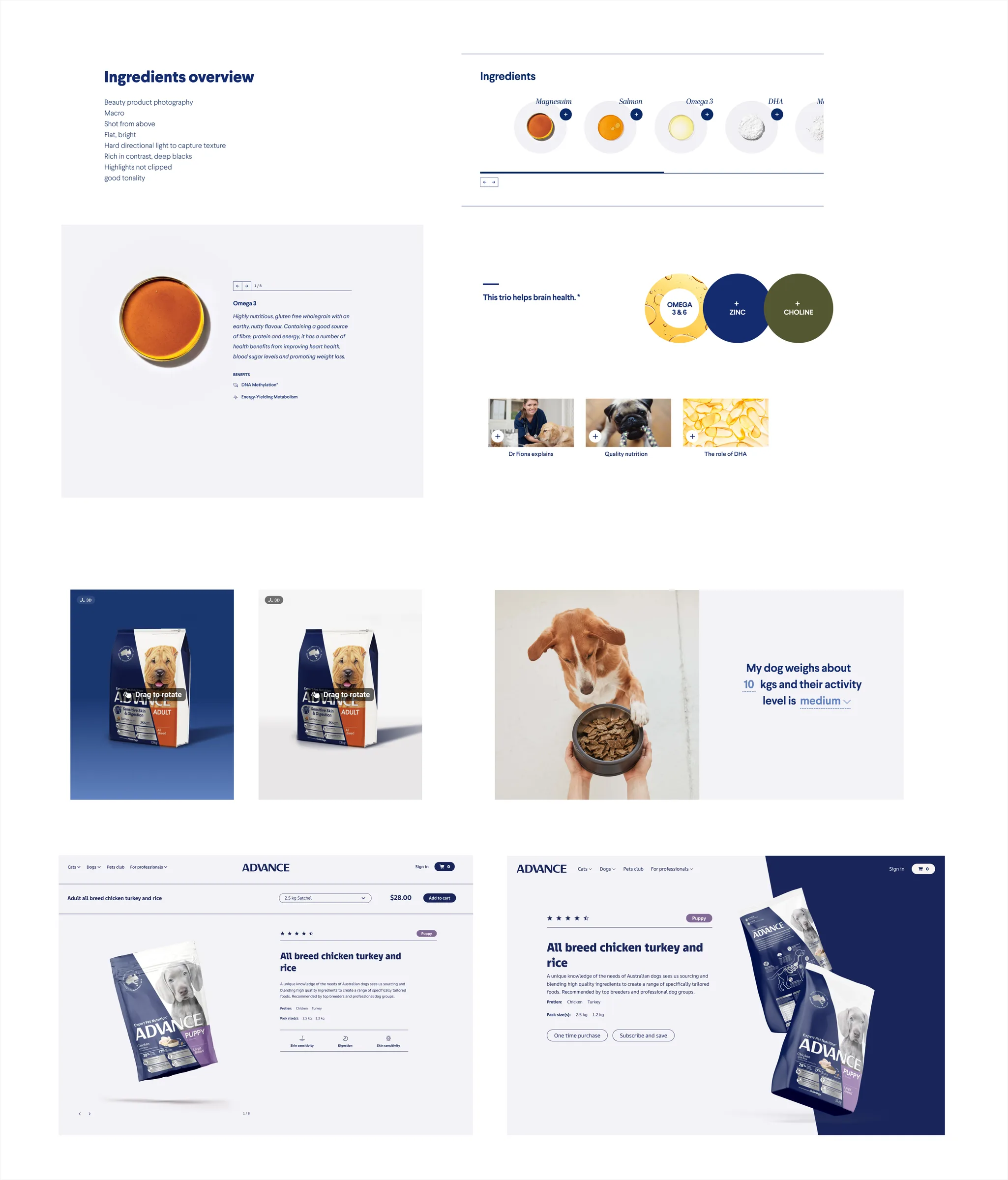
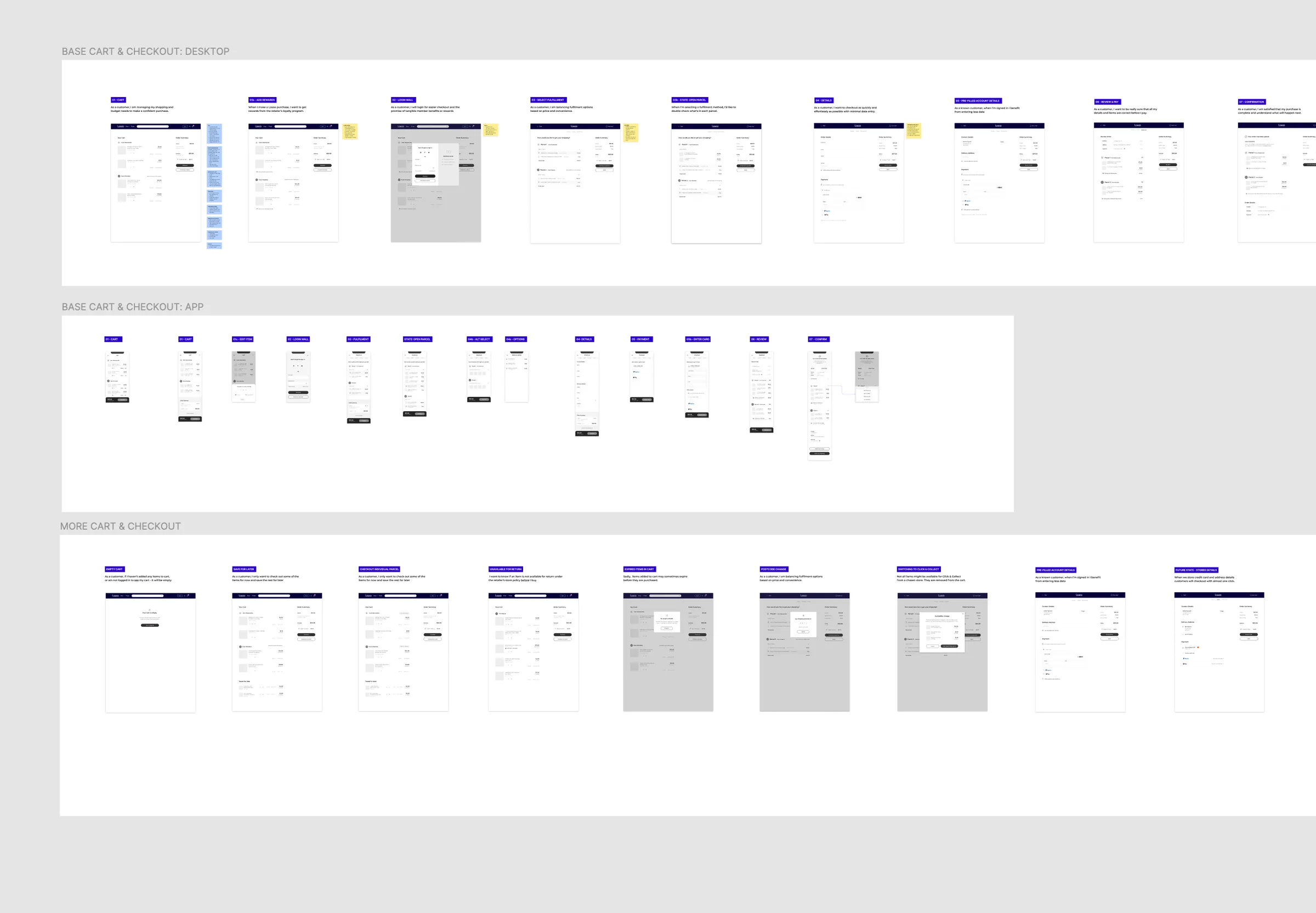
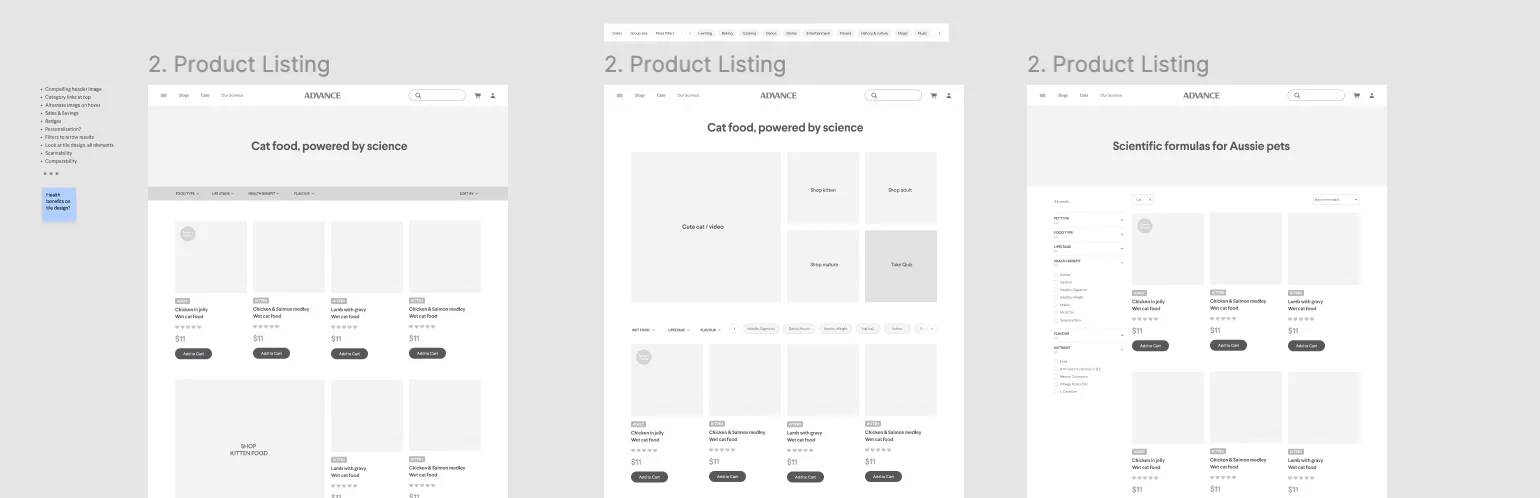
02 — Structuring the bones for an e-commerce experience
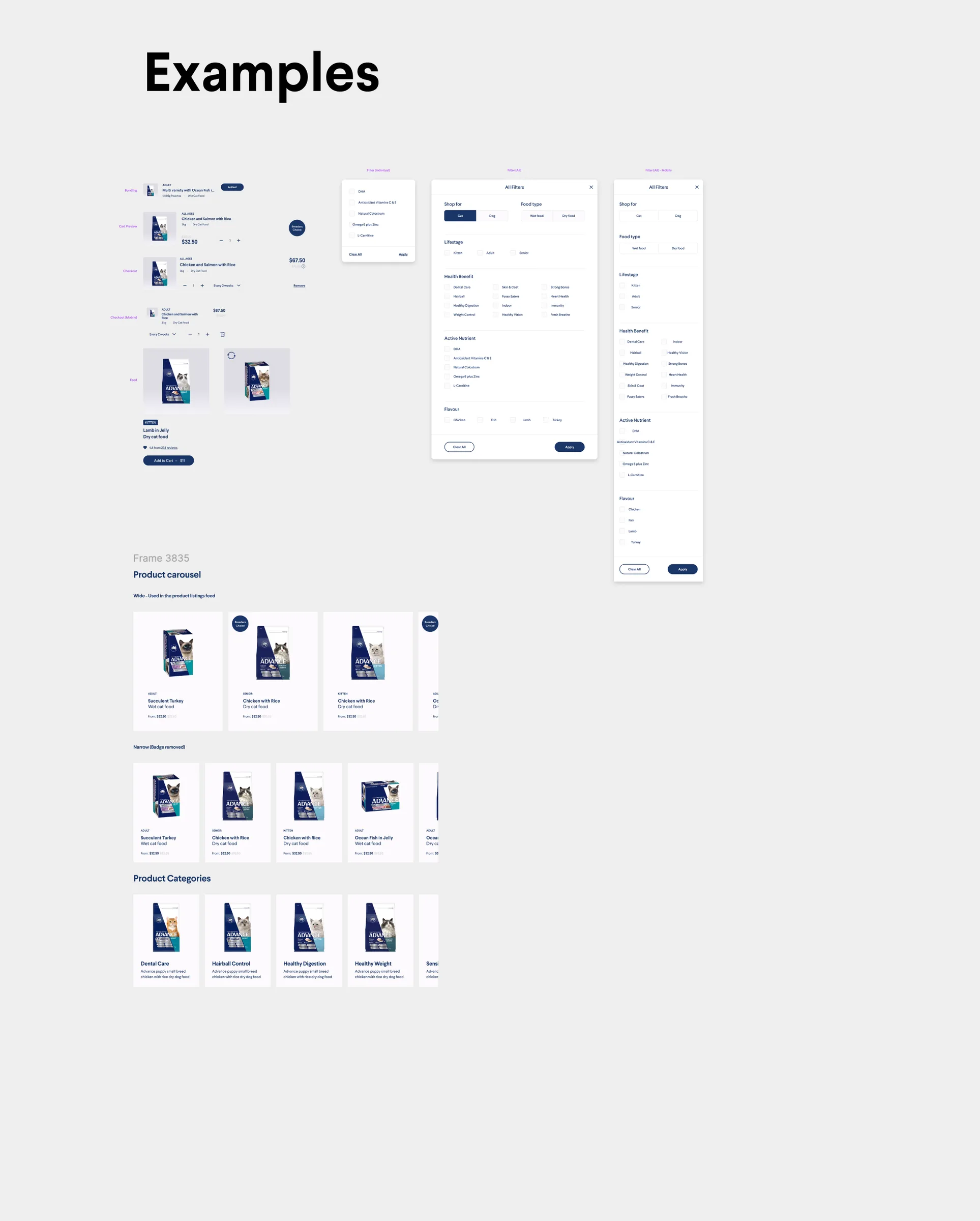
03 — Designing the building blocks
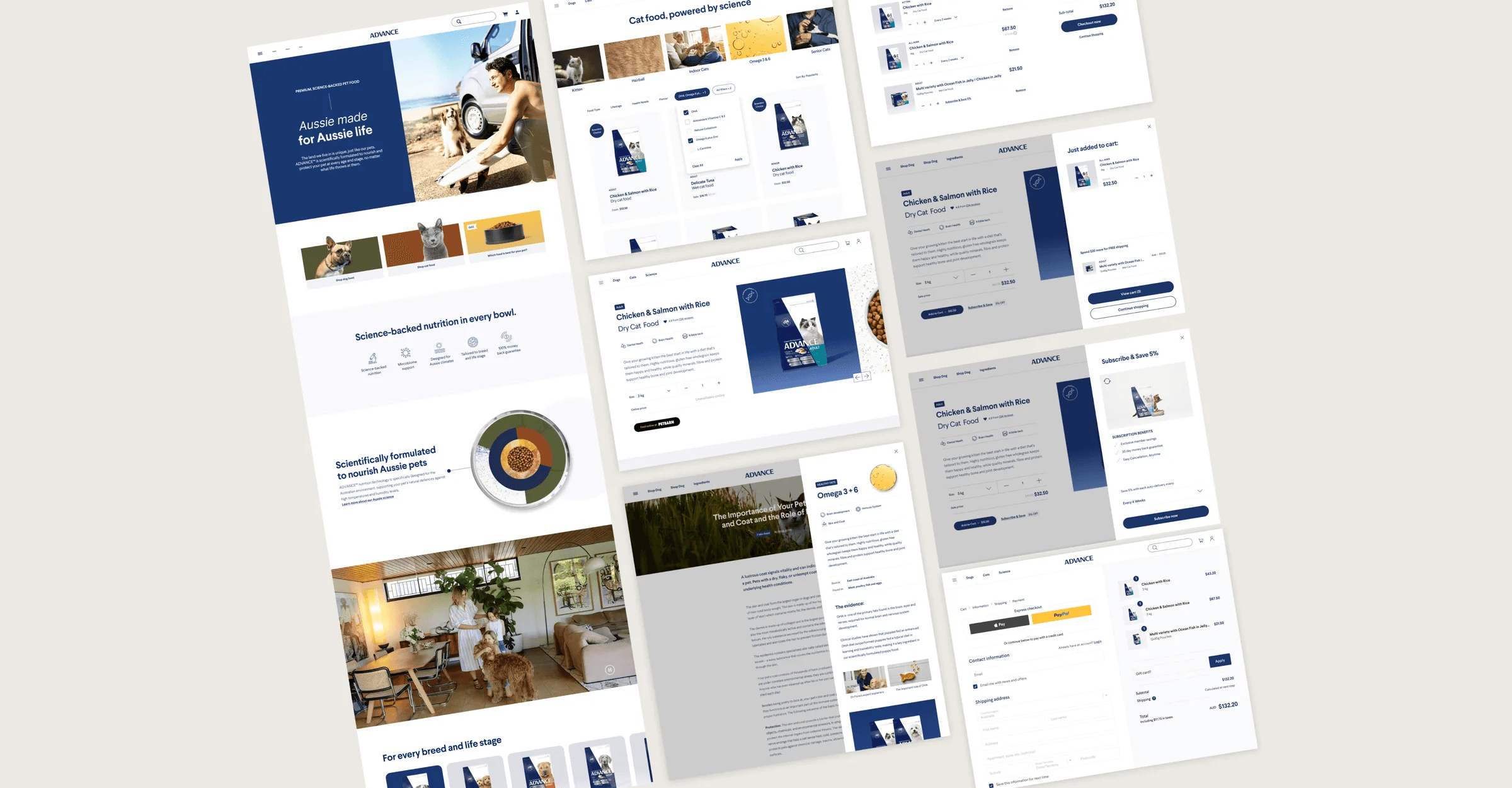
Concepts delivered to development partners
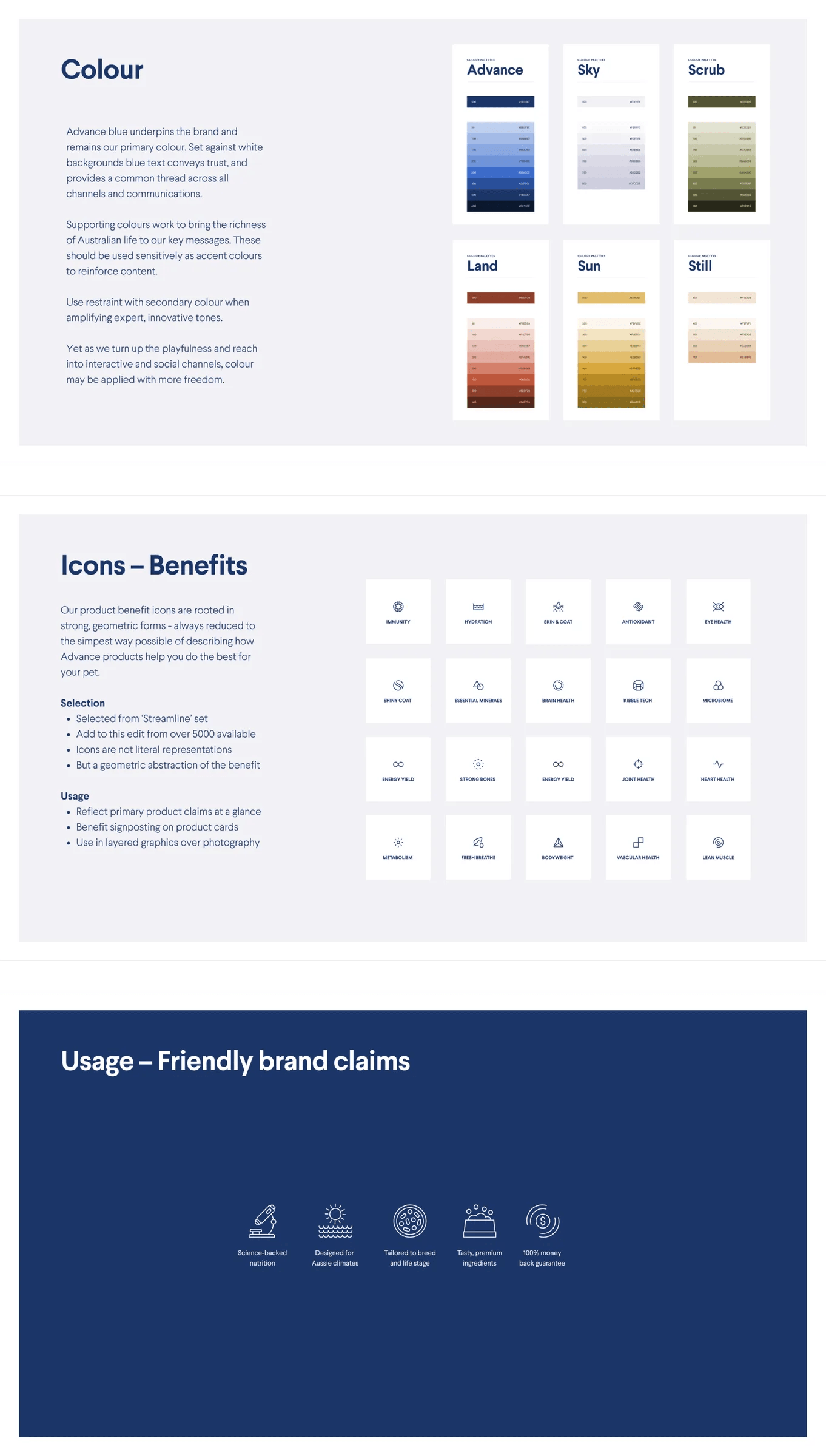
Brand guidelines
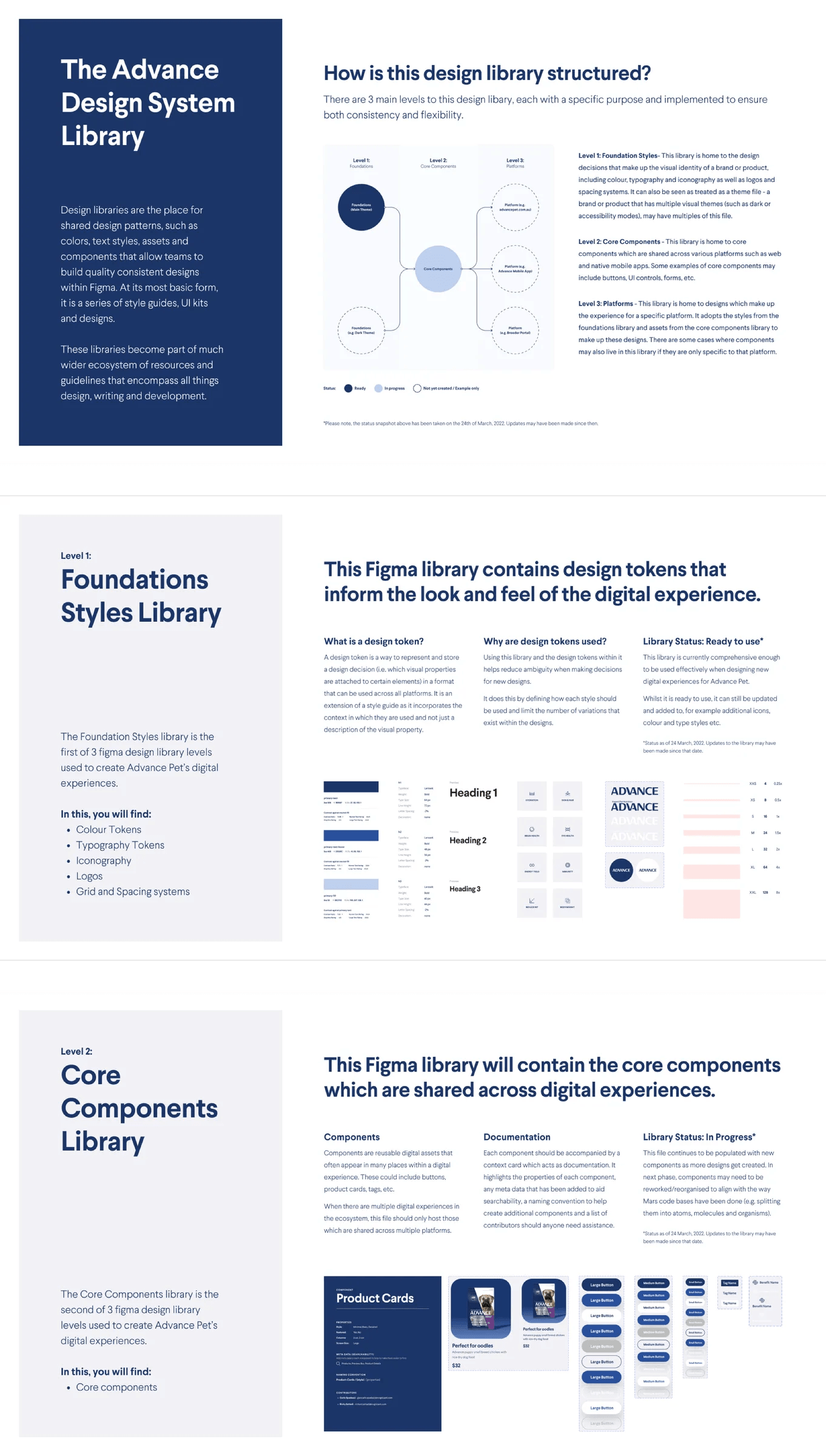
Design System Foundations
ANZ
Case Study — 02
Around ~4,000 ANZ business customers were stuck banking across two channels because of a single missing capability: support for business card products on their primary digital banking channel. Addressing this functional gap was one of a series of focus areas during a week-long design sprint.
Reason included: this project demonstrates operating at a different cadence, with a different set of constraints. This was about collaborating with a range of users to understand where tangible customer value and the business opportunity could intersect, and how the experience could scale across a number of touchpoints.
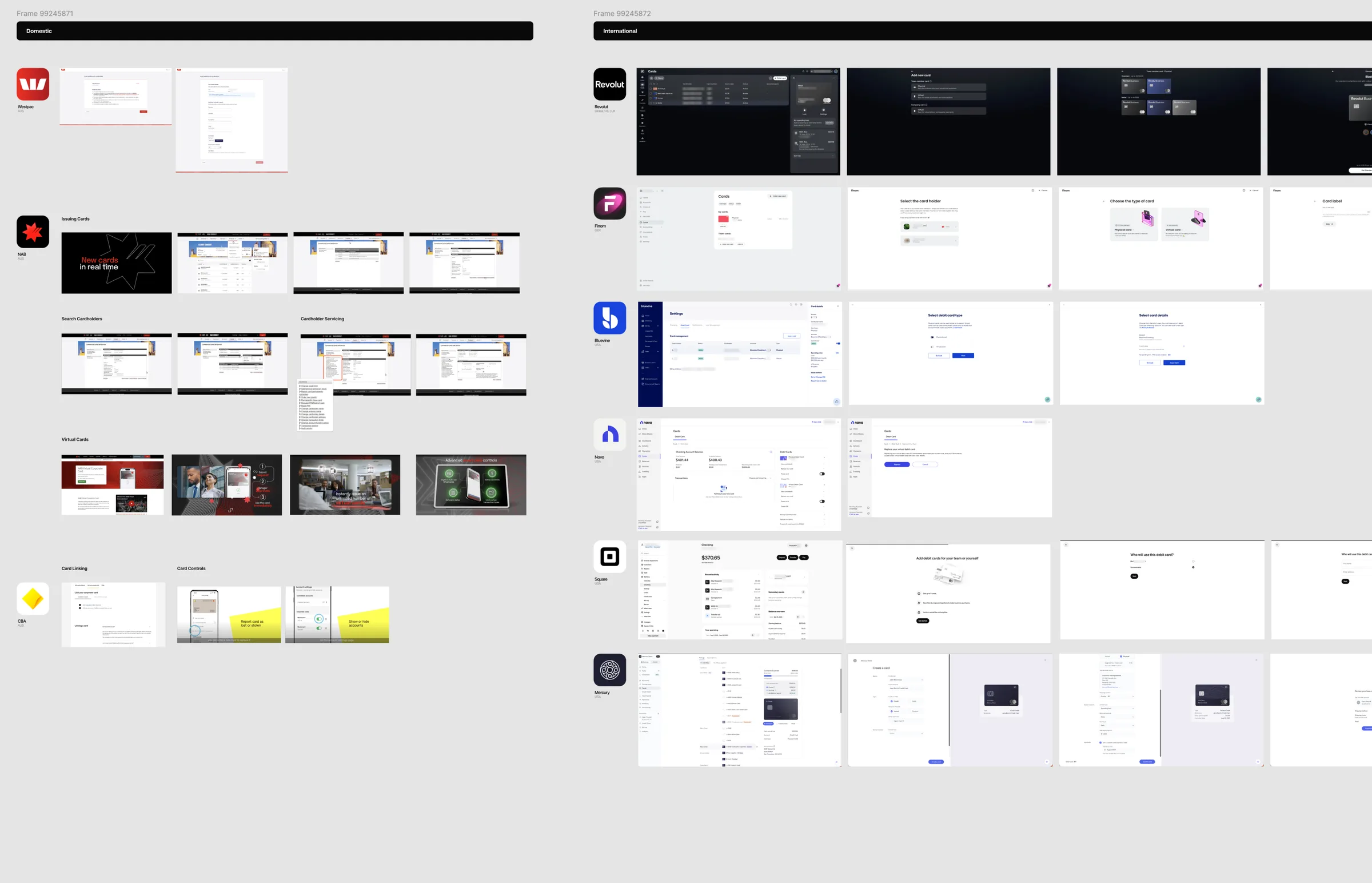
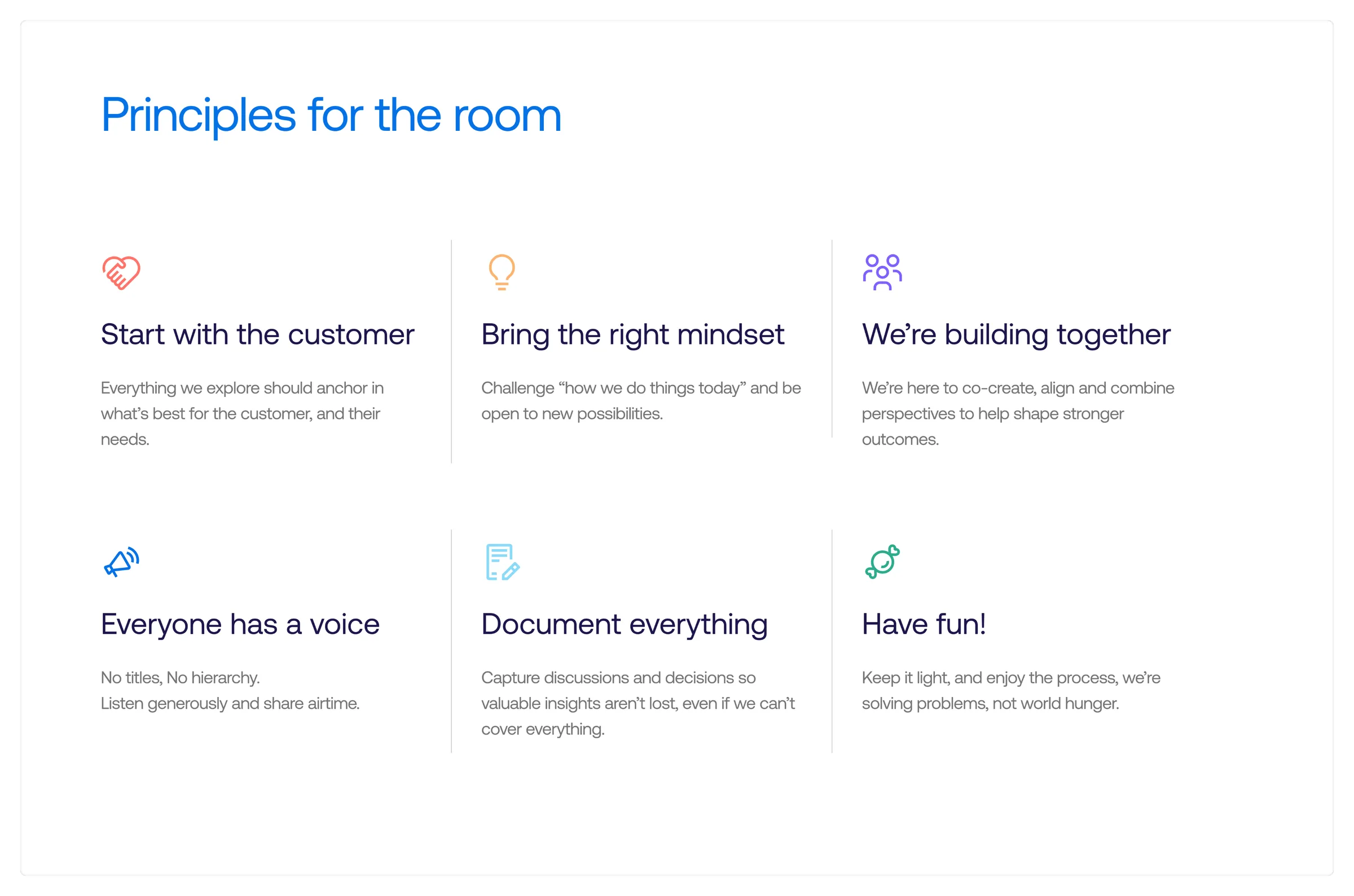
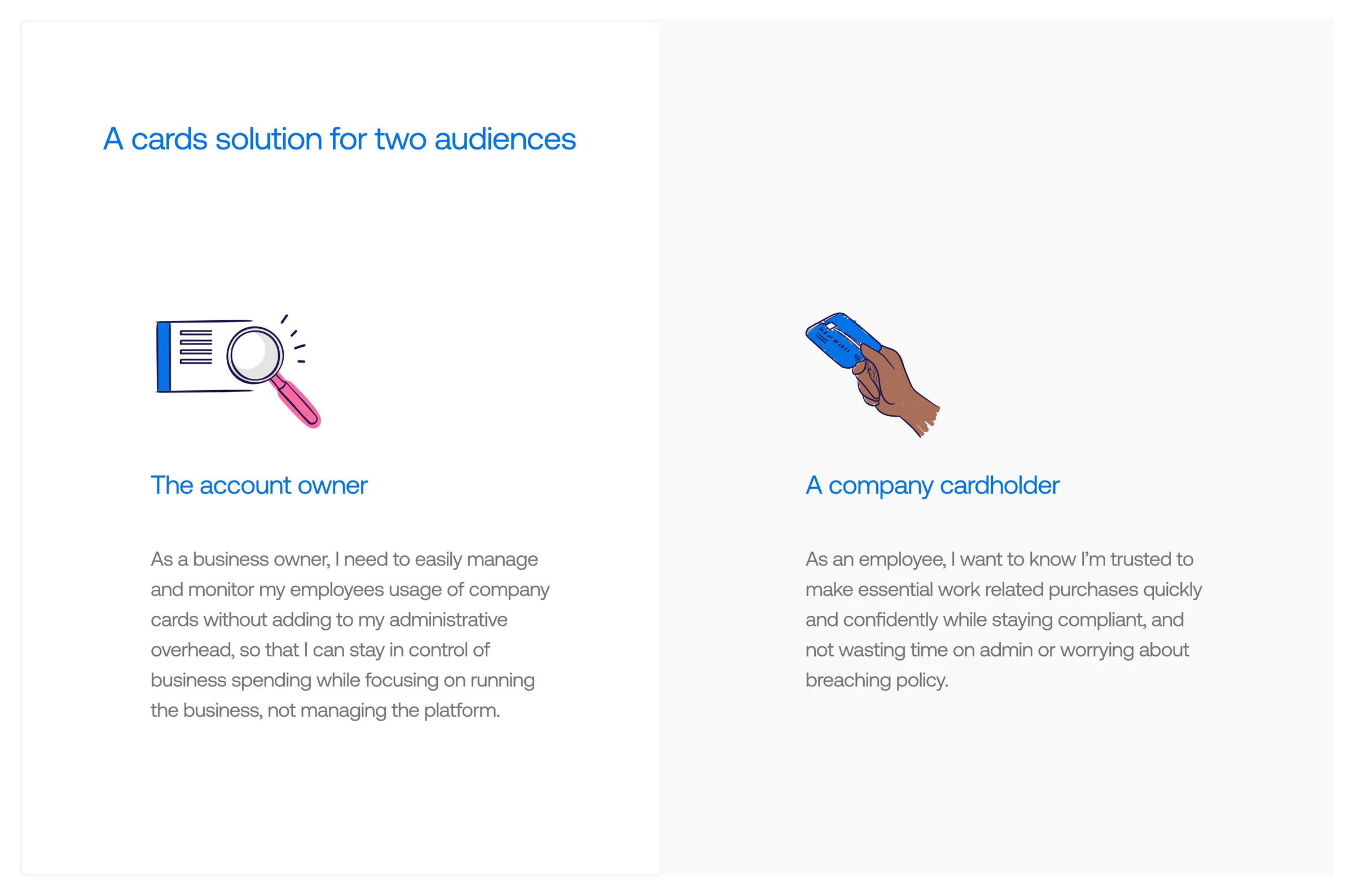
Cards Desktop Research
Sprint Stimulus Prep
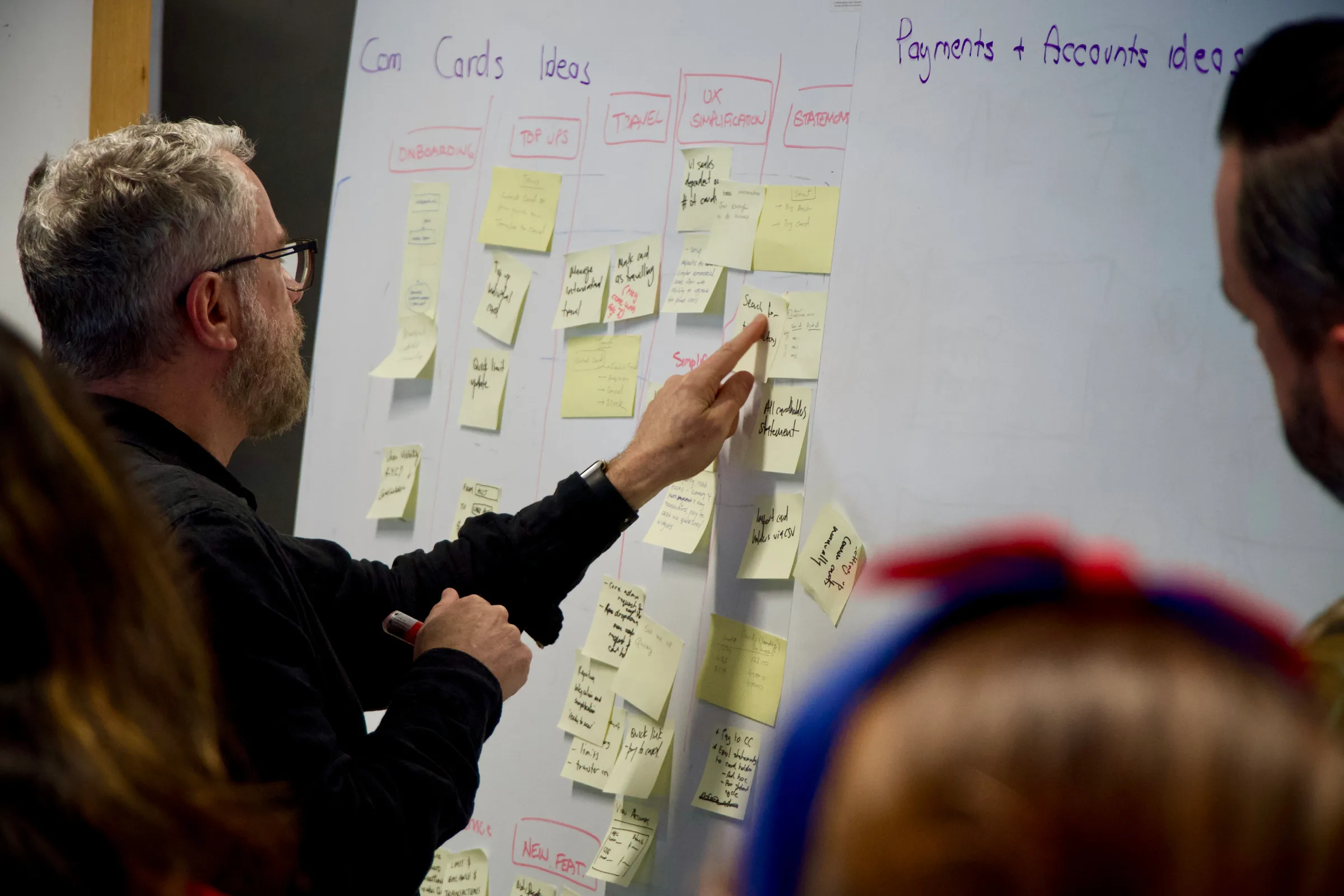
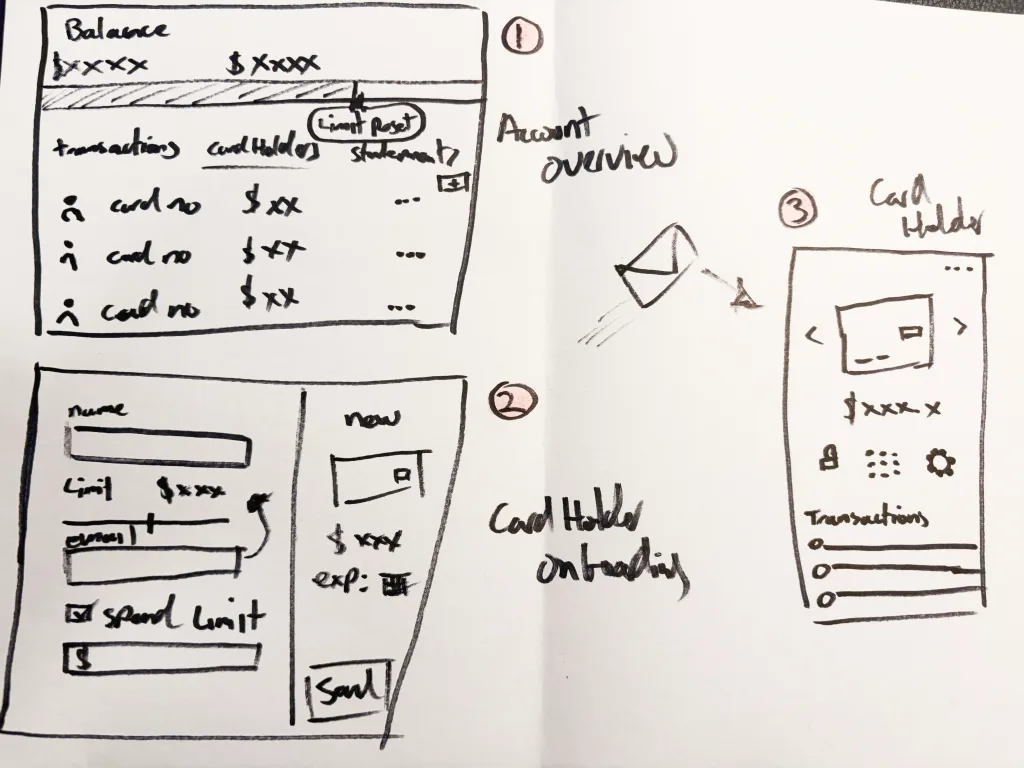
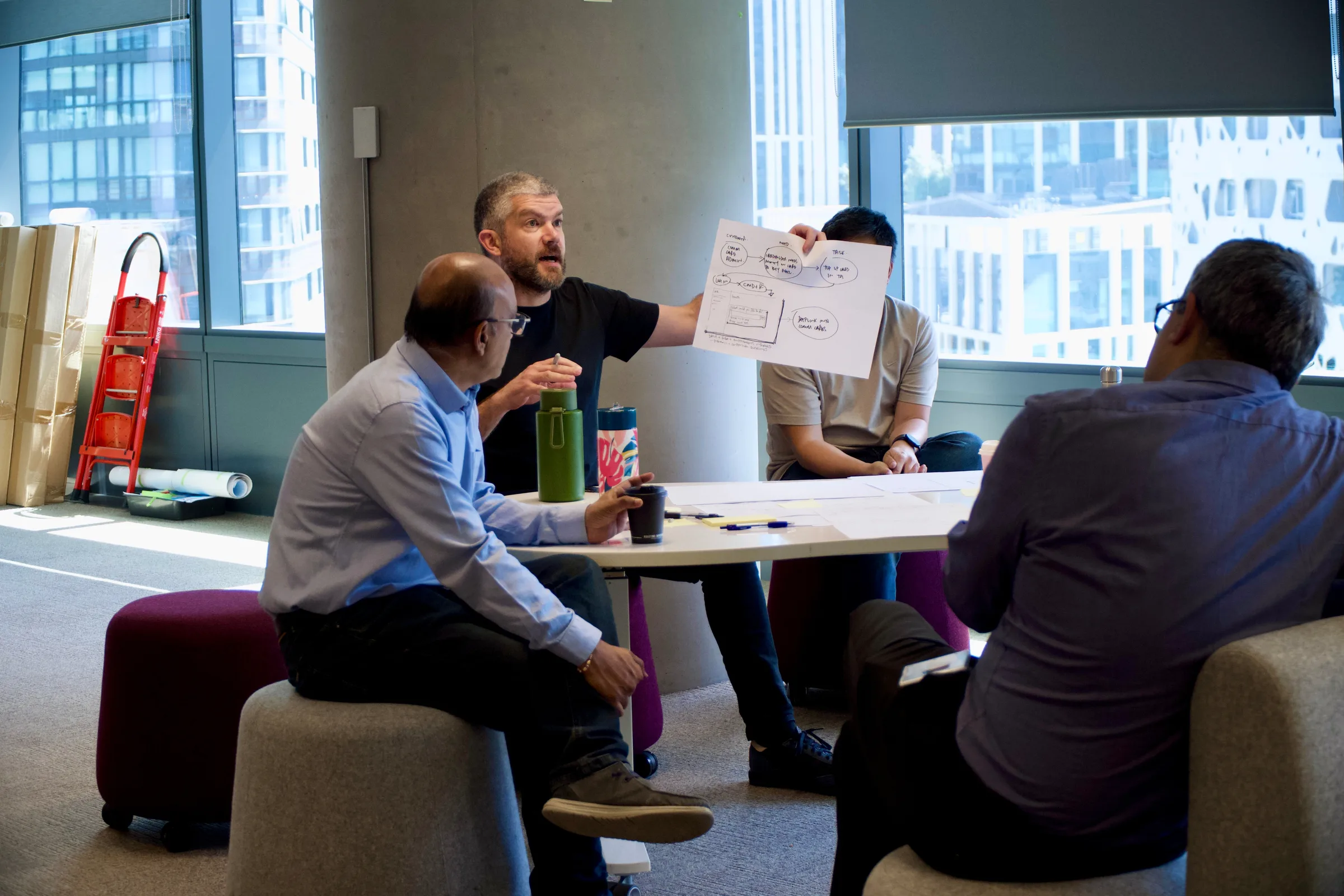
Workshop Ideation - Initial Wireframe
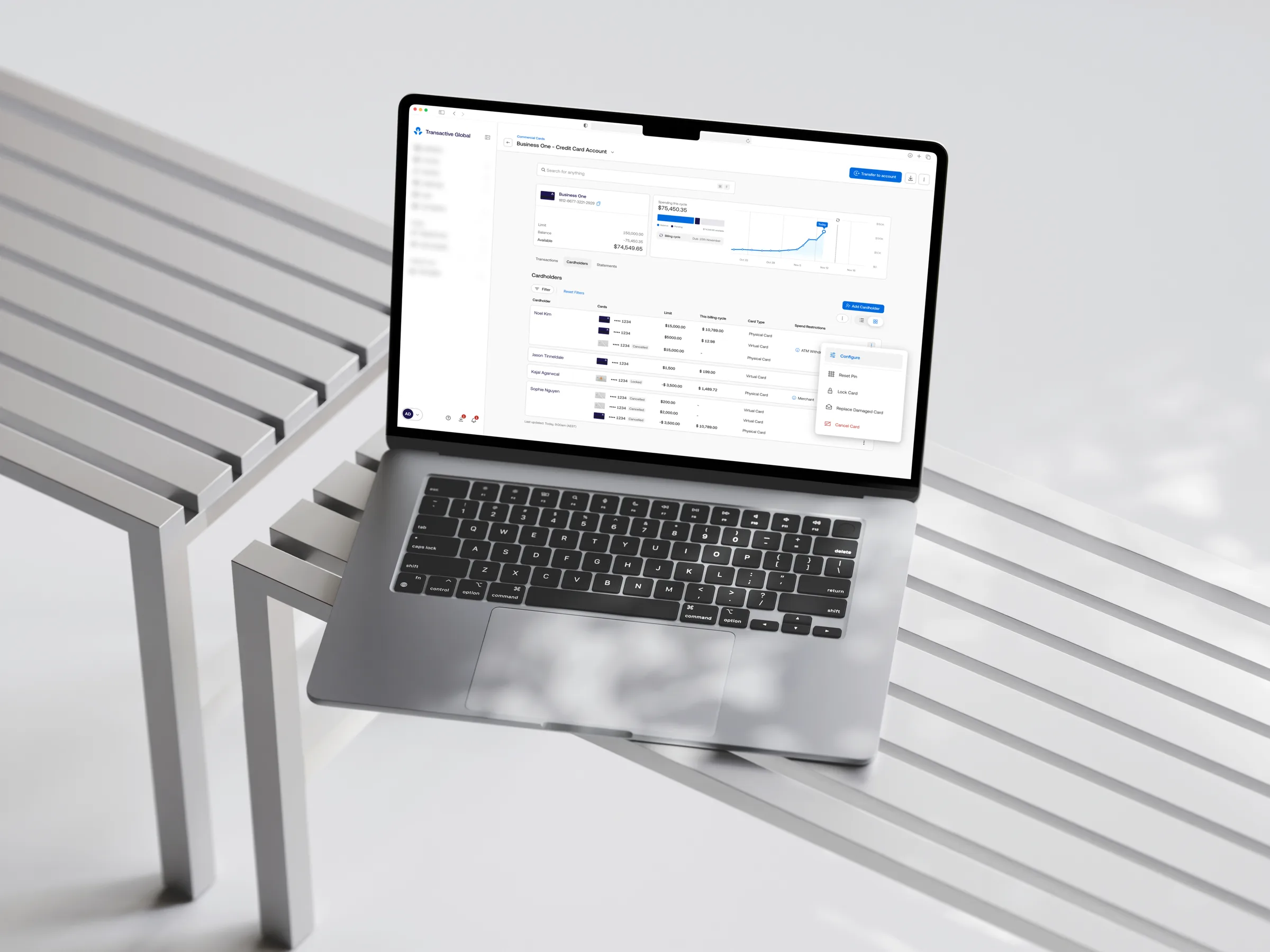
Simple dashboard for all card administration.


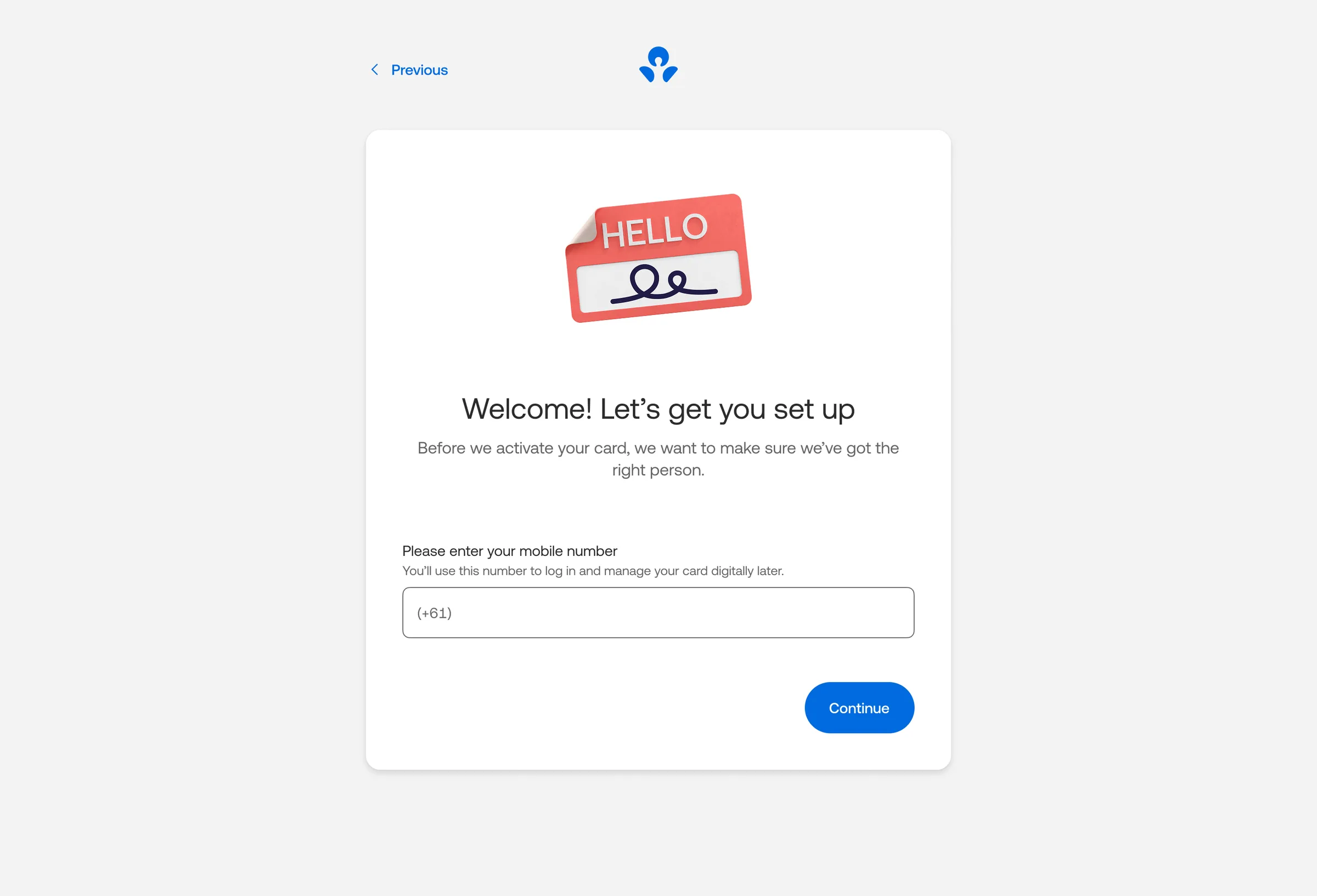
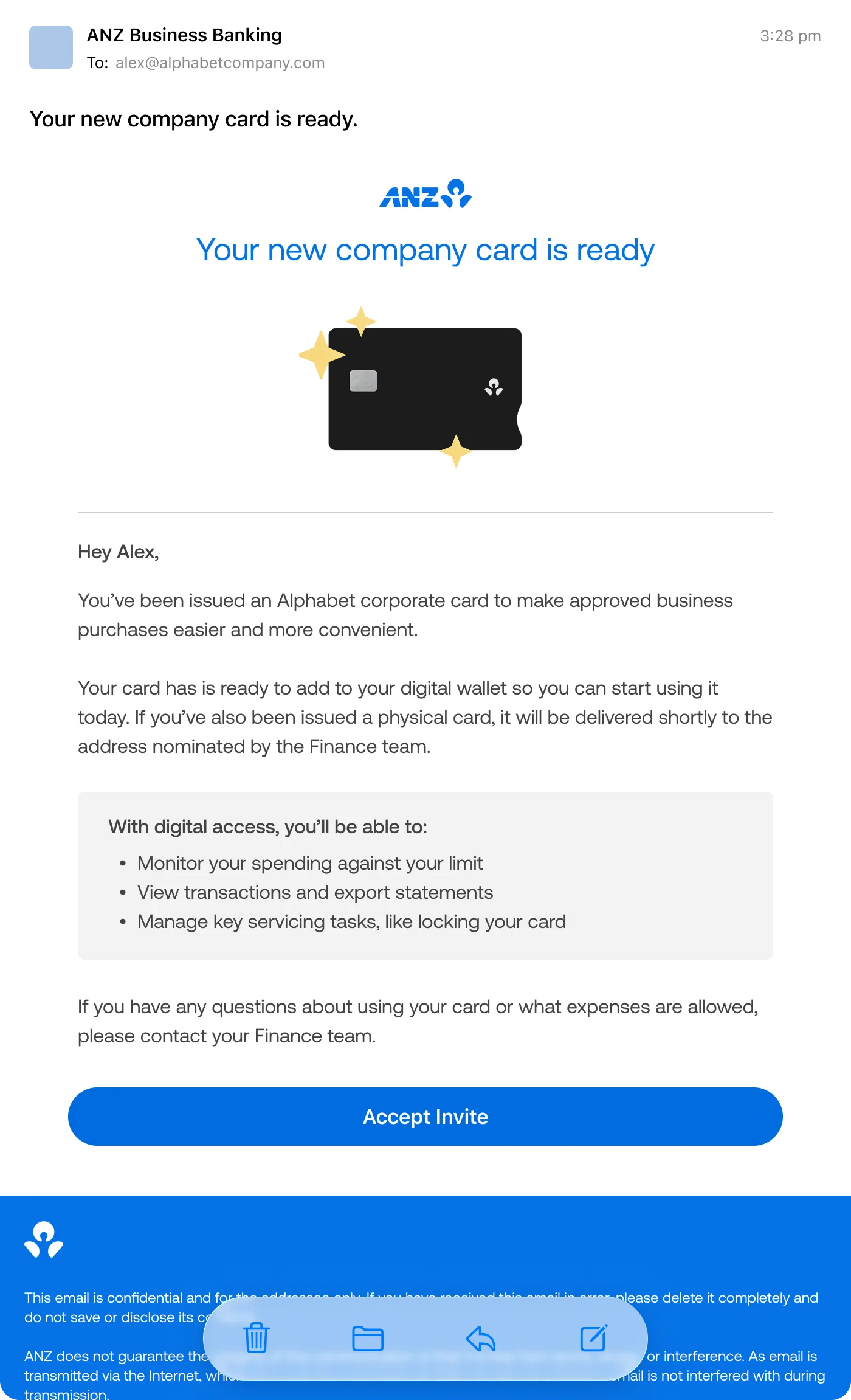
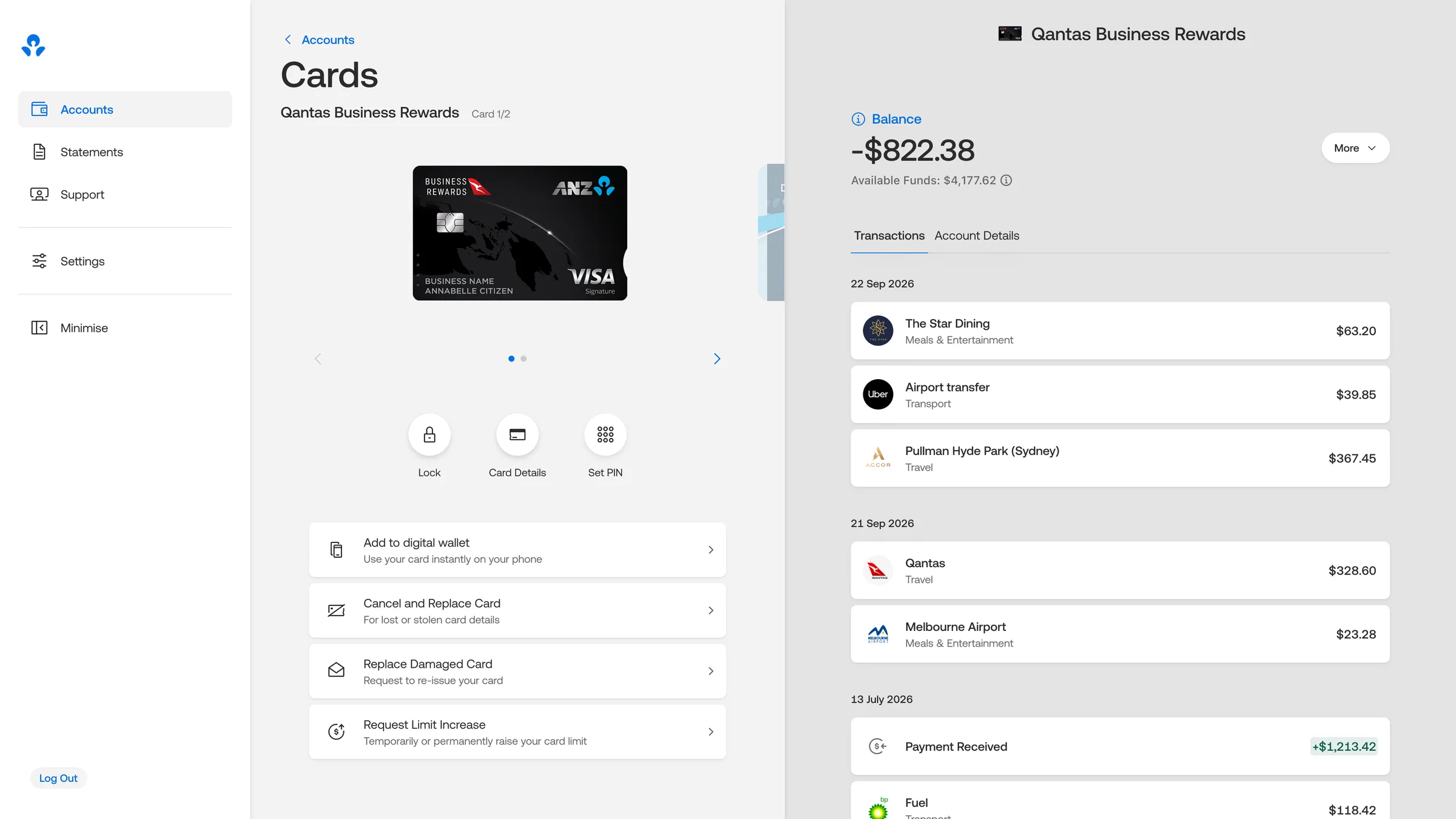
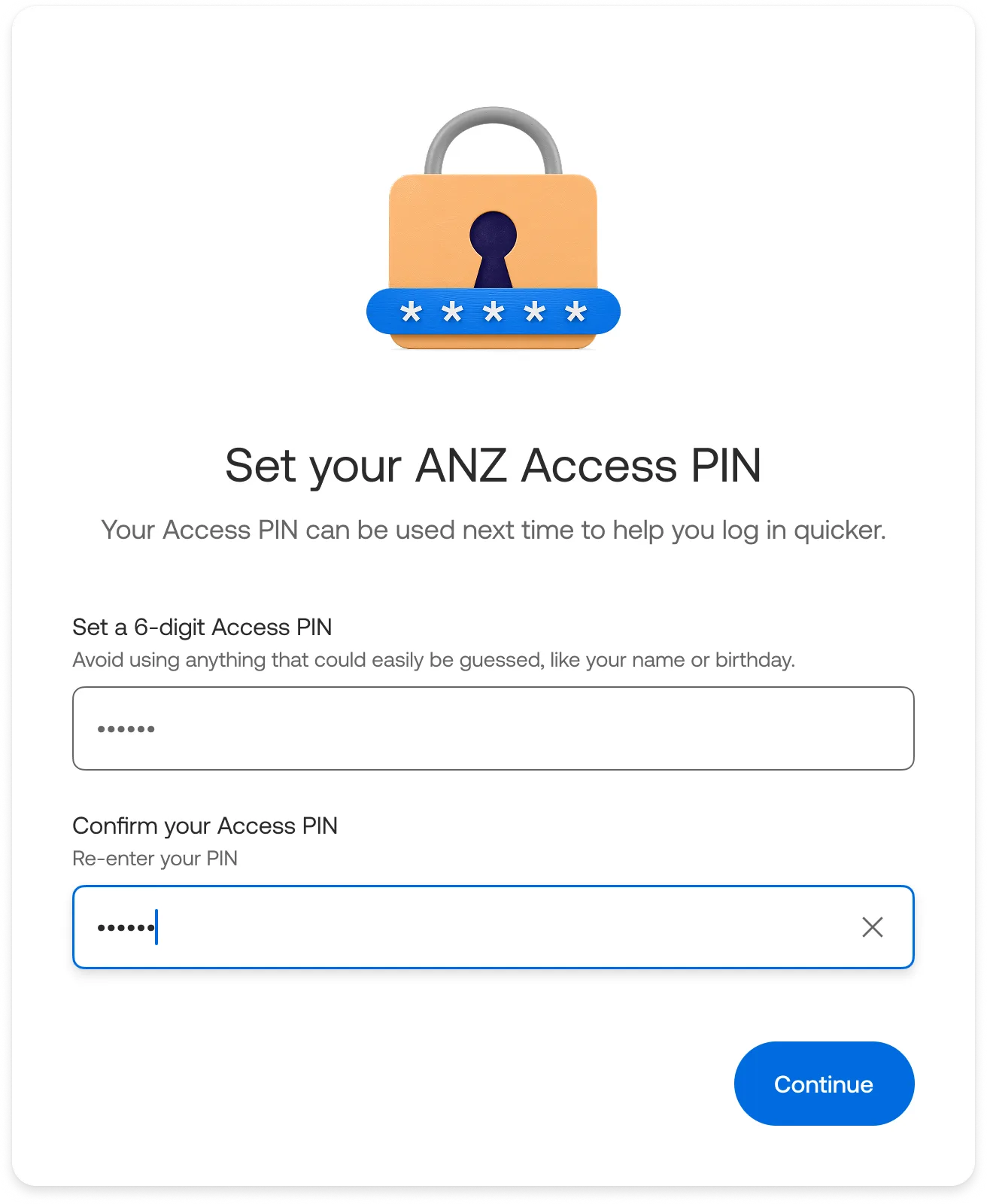
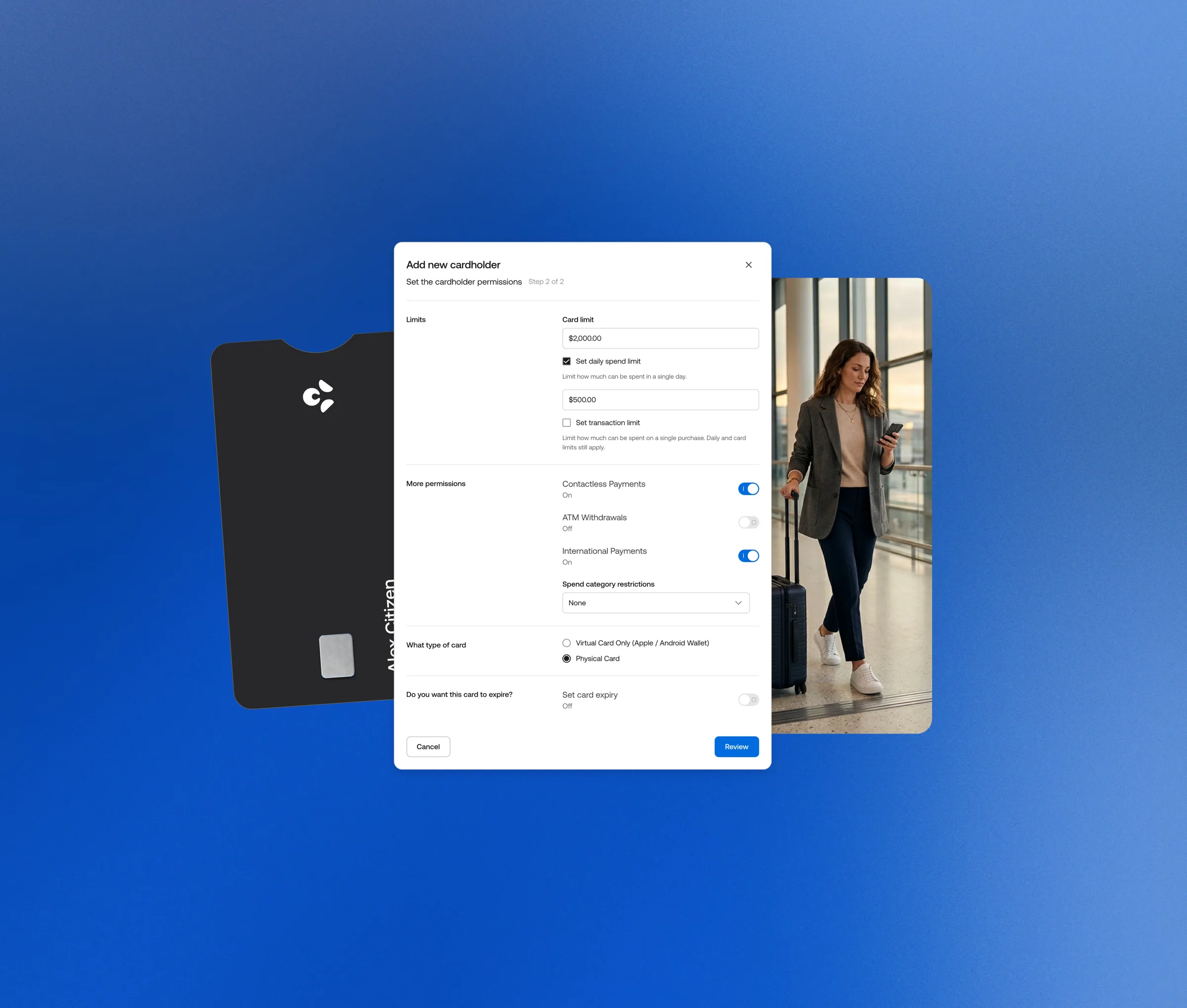
Cardholder onboarding flow
Cardholder View Only Mode
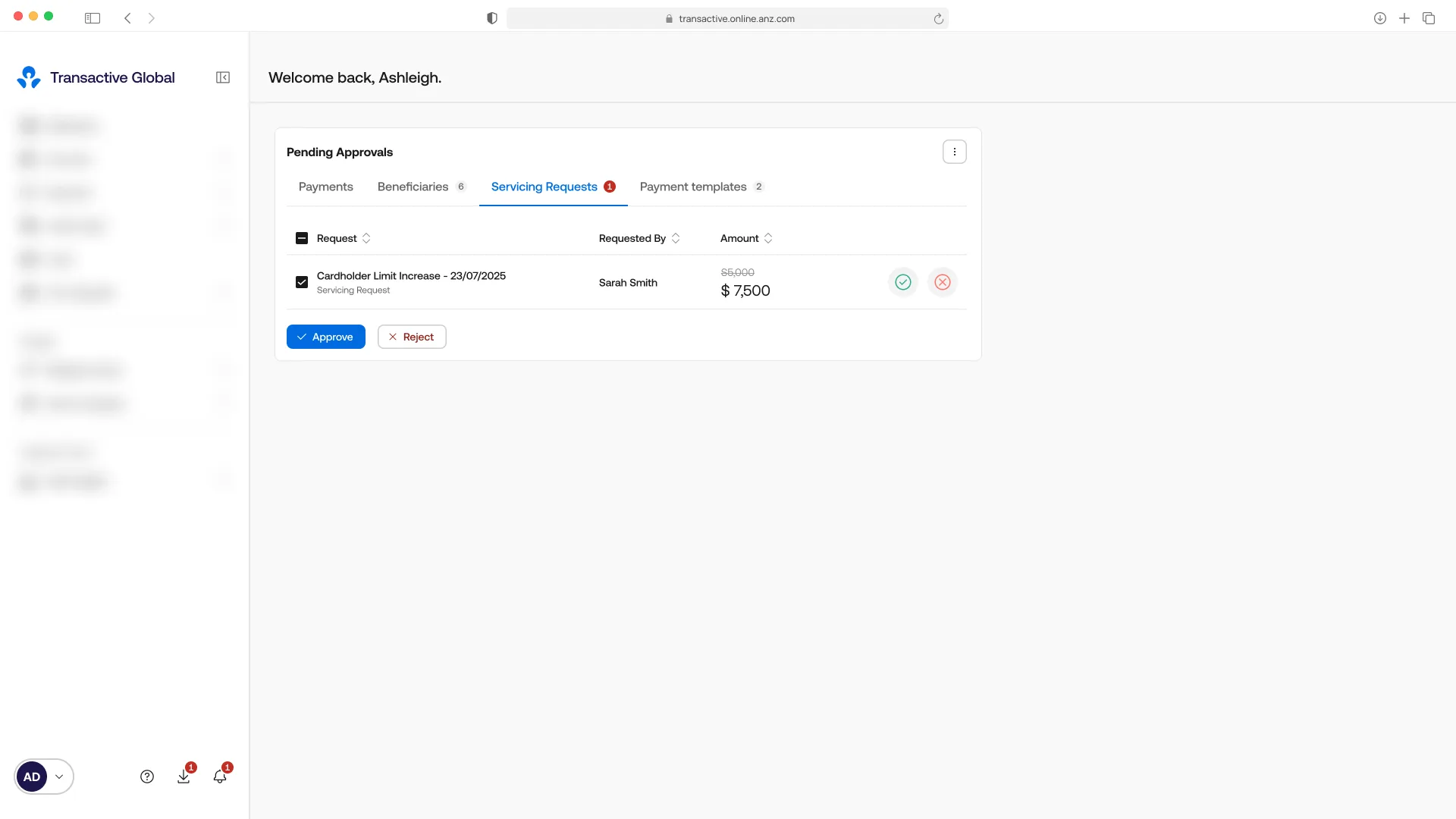
Account Administrator
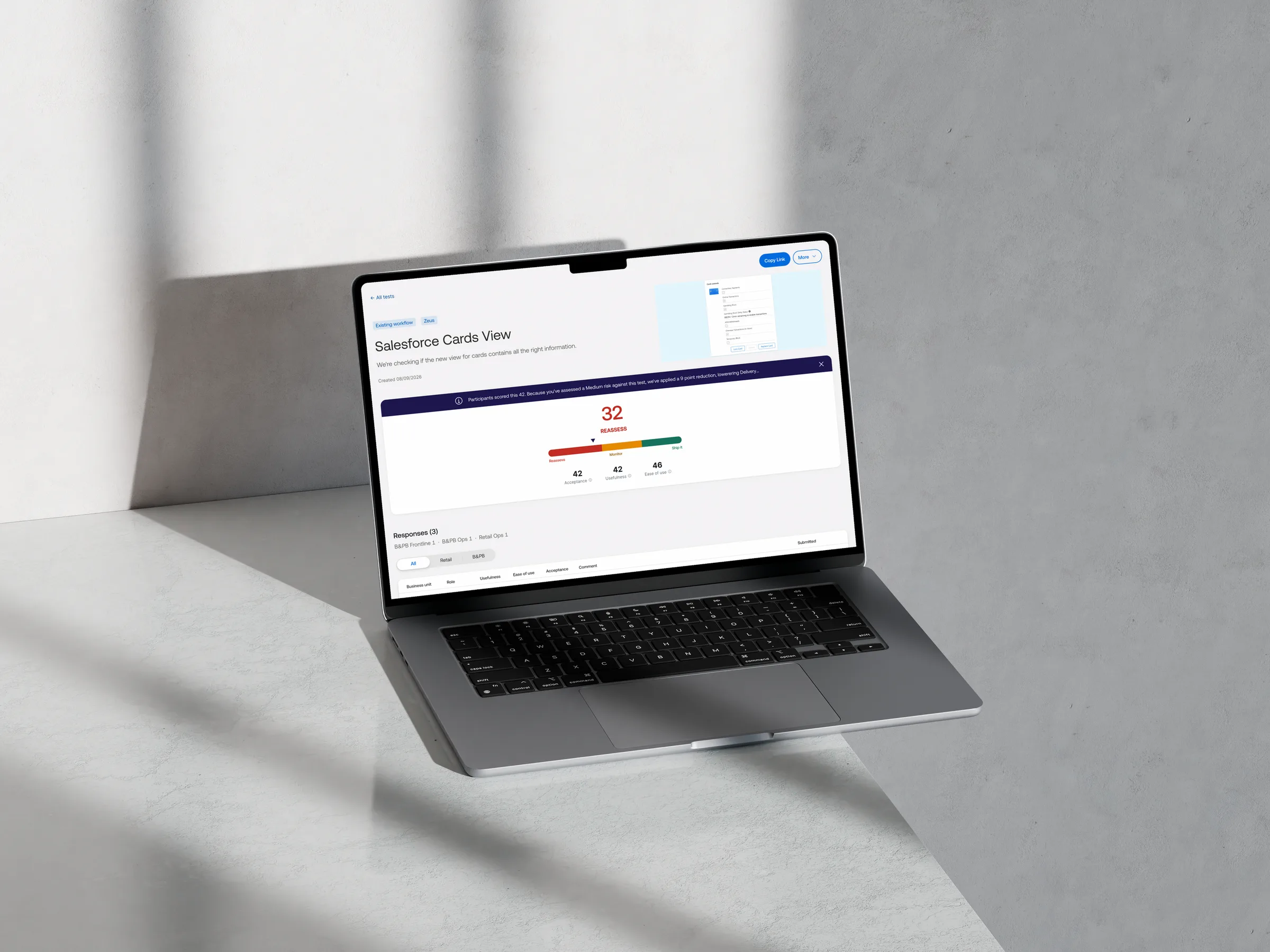
Bonus: Building with AI
Case Study — 03
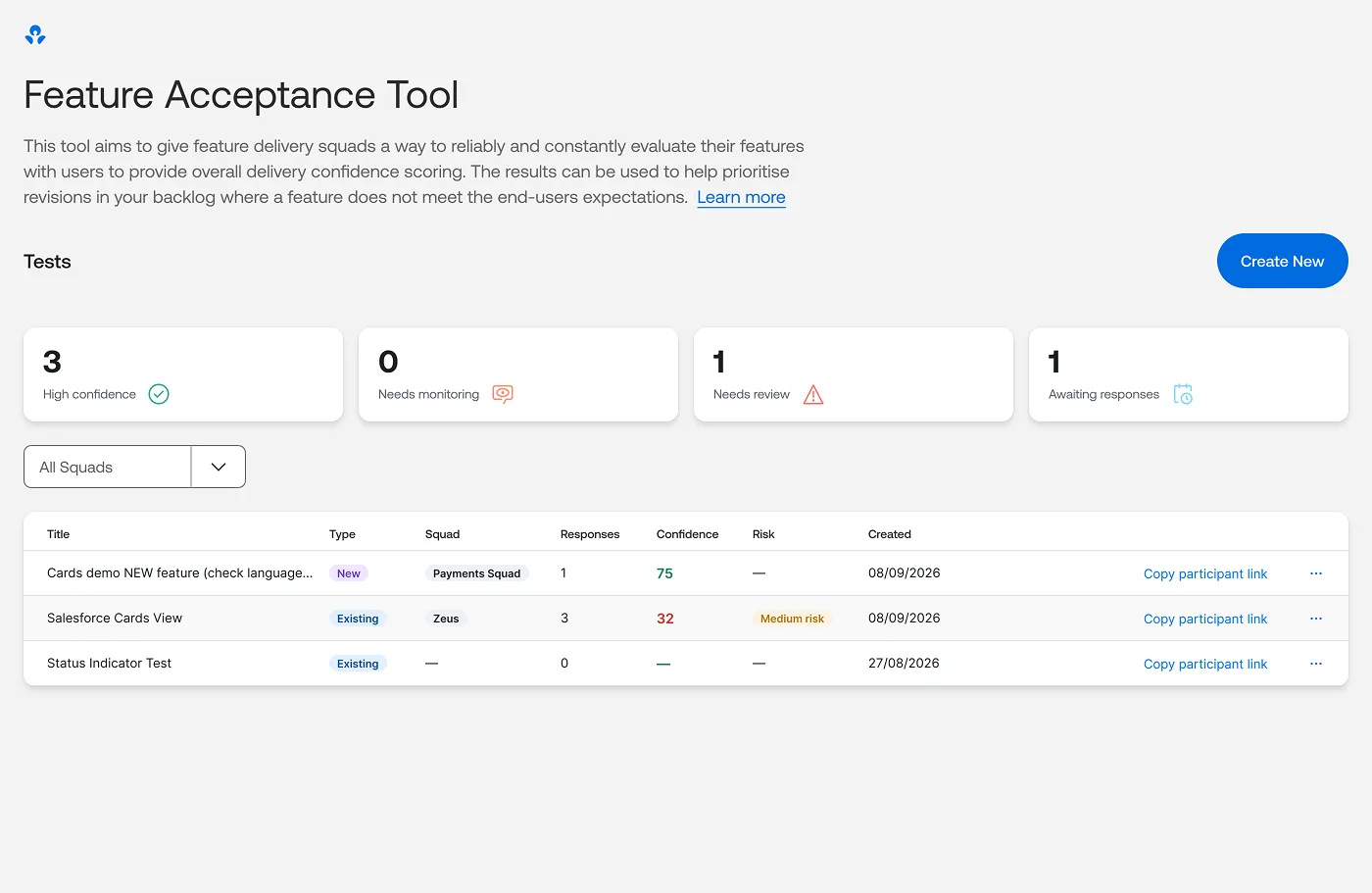
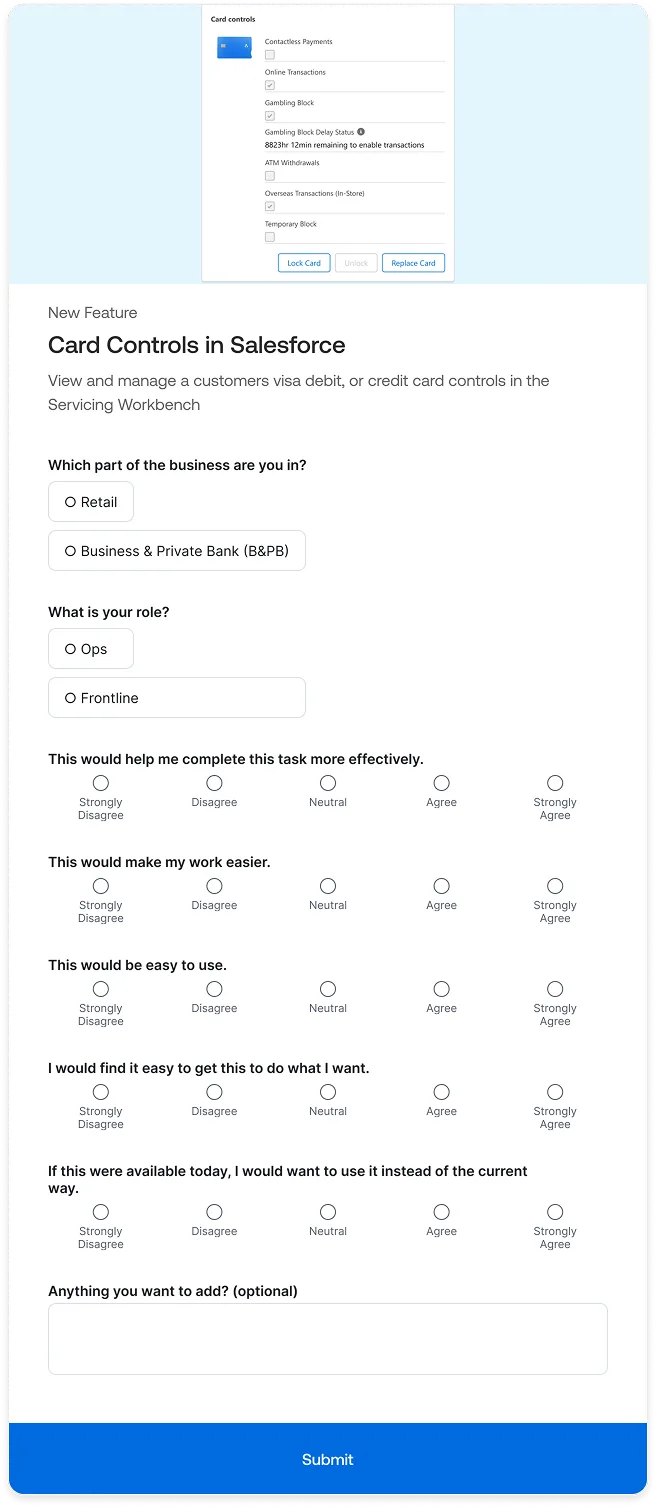
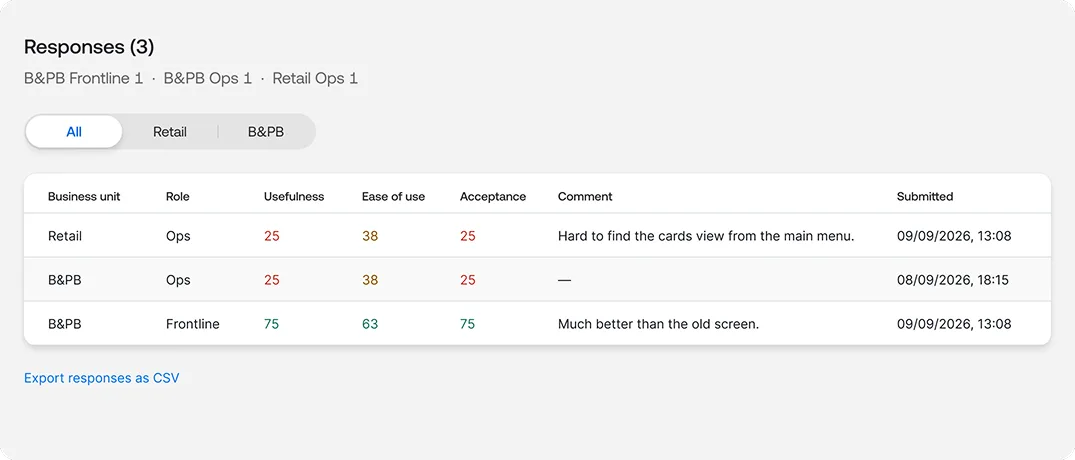
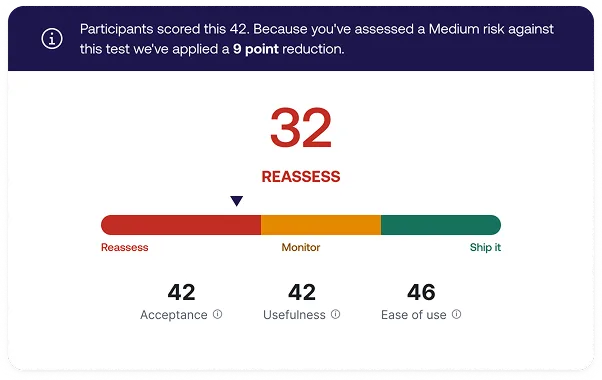
As the number of Salesforce squads and pace of delivery was increasing, it became apparent that the squads did not all share a consistent and repeatable approach to assess if their feature was actually suitable to meet the needs of their end users, and if it fell short, how to prioritise against their other features.
Reason included: this mini-project is a tiny example of design in the age of AI: a solution/product/experience built to address a real operational challenge.